Smile Visualization
Take a smiling selfie and we’ll show you what Invisalign® treatment can do for you. Sometimes insurances can cover upto $2500 of invisalign treatment. Call our office or follow the link to find out.

At Fuller Smiles San Fernando Valley, we combine modern dental science with a patient-first approach to restore teeth and protect long-term oral health. Our team keeps pace with material advances and digital workflows so restorative treatments look natural, feel comfortable, and stand up to everyday use.
Even though tooth enamel is the hardest substance in the human body, teeth can still be weakened by decay, injury, or repetitive stress. When a tooth has lost substantial structure, a simple filling may not provide the strength or protection needed to restore full function. That’s when a crown becomes the preferred solution.
Ceramic crowns have evolved into a versatile, esthetic option that avoids metal in the visible portion of the tooth. Today’s dental ceramics offer improved strength and lifelike translucency, making them an excellent choice for both front and back teeth when tailored to the situation.
We design every restoration with your bite, smile goals, and long-term health in mind. Our goal is to deliver durable ceramic crowns that blend seamlessly with the rest of your teeth while protecting the tooth beneath.
A dental crown is a full-coverage restoration that replaces the outer surfaces of a tooth when those surfaces are too compromised for a filling to work reliably. Crowns restore chewing function, shield fragile tooth structure, and reproduce the natural shape of a tooth so it fits comfortably with the rest of your bite.
Clinicians recommend crowns in a range of situations where preservation of the remaining tooth is a priority. Crowns are particularly valuable when there is extensive decay, a large fractured area, or when a tooth has been weakened by previous dental work. They also serve as the final restoration over root canal-treated teeth, which can be more brittle than untreated teeth.
Crowns play a central role in restorative and prosthetic dentistry: they cap dental implants, anchor traditional bridges, and correct teeth that are misshapen, discolored, or undersized. When properly chosen and placed, a crown can give a tooth decades of renewed function and protection.
A crown may be advised if you experience persistent sensitivity in a tooth that has had large restorations, or if a tooth shows visible cracks or breakdown at the margins of existing fillings. During your consultation we’ll assess the remaining tooth structure and discuss whether a crown provides the most predictable outcome for long-term preservation.
To repair and rebuild a tooth with extensive structural damage due to decay or trauma
To replace a large or broken filling
To restore a dental implant
To provide full coverage for the abutment teeth that support a traditional dental bridge
To strengthen and protect a tooth that has undergone root canal therapy
To improve the appearance of an undersized, misaligned, or discolored tooth
To address functional concerns related to the bite

All-ceramic crowns are prized for their ability to mimic the optical properties of natural teeth. Modern ceramics interact with light similarly to enamel, producing the subtle translucency and depth that make restorations appear natural next to adjacent teeth.
Beyond aesthetics, contemporary dental ceramics have improved in strength and toughness. Advances in material science mean many ceramic options can withstand the forces of chewing without relying on a metal core, so patients get a metal-free restoration that still performs reliably.
Ceramic crowns also offer tissue-friendly results. Their smooth surfaces and biocompatible composition are gentle on the surrounding gum tissues, reducing the likelihood of irritation. Additionally, ceramic materials resist staining and discoloration, helping restorations maintain their appearance over time.
Because they can be fabricated to require less aggressive tooth reduction in some cases, certain all-ceramic crowns preserve more natural tooth structure compared with older crown designs. That conservation can be an important consideration when planning for the tooth’s future health.
Natural translucency and lifelike color matching
Improved strength suitable for many posterior and anterior restorations
Reduced need for metal, eliminating visible metal margins at the gumline
Biocompatible surfaces that are gentle on soft tissue
Resistance to stains and long-term discoloration
Options that allow for more conservative tooth preparation in select cases
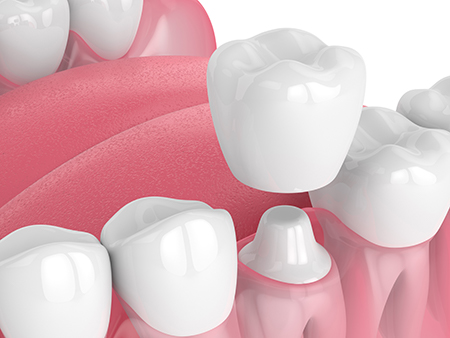
Ceramic is a broad category and different formulations serve different needs. The decision about which material to use depends on the tooth’s location, the forces it must withstand, and how much of the tooth needs to be restored. Our approach is to match the material to the clinical demands while honoring the appearance you want.
For front teeth where esthetics are the top priority, more translucent ceramics that closely mimic enamel are often preferred. For back teeth that bear higher biting forces, more robust ceramic types—sometimes with a monolithic design—provide the durability required for reliable function.
Your restorative plan will also consider the interface between the crown and the natural tooth. Some ceramic systems bond to the tooth structure for added strength, while others are designed for cementation with proven dental cements. We’ll explain the benefits of each approach and why one may be preferable for your situation.
Selecting a material is a collaborative choice: we’ll review the pros and cons of each option, show you shade and translucency samples, and make a recommendation that balances appearance, longevity, and conservation of tooth structure.
Lithium Disilicate porcelain crowns
Leucite-reinforced pressable porcelain crowns
Solid or monolithic zirconia
High-translucency zirconia

Modern crown treatment blends clinical skill with digital precision. After a thorough exam and imaging, we prepare the tooth to create a stable foundation for the crown. The preparation is done with attention to preserving as much healthy structure as possible while shaping the tooth for a secure fit.
We often use digital impressions and CAD/CAM workflows to capture highly accurate records of your teeth. These technologies allow us to design restorations that fit precisely, reduce adjustments, and produce consistent esthetic results. Depending on the case, crowns can be milled in-office or crafted by a trusted dental lab experienced in advanced ceramic materials.
Once the crown is fabricated, we verify fit, occlusion, and shade before completing the final cementation or bonding. We check how the crown integrates with your bite and make any minor refinements to ensure comfort and function. Post-placement instructions will help you protect the restoration while it adapts to your daily routine.
Proper maintenance is straightforward: regular home care, routine check-ups, and preventive care are key to extending the life of a ceramic crown. If you have habits such as heavy clenching or grinding, we’ll discuss protective strategies to safeguard your restoration.
We take a comprehensive approach to crowns that emphasizes conservative tooth preservation, careful material selection, and predictable clinical techniques. Our team blends technical expertise with an eye for natural-looking results so restorations meet both functional needs and esthetic goals.
Our Northridge and West Hills offices are equipped with current technologies—digital imaging, intraoral scanning, and modern fabrication workflows—that allow us to plan and deliver high-quality ceramic restorations efficiently. We focus on clear communication so you understand each step of the process and the reasons behind our recommendations.
Whether you need a single crown to protect a weakened tooth or multiple crowns as part of a larger restorative plan, our priority is to restore comfort, function, and confidence in your smile. We tailor every treatment plan to the individual patient and use materials and techniques that aim for longevity and natural appearance.
For more information about ceramic crowns or to discuss whether a crown is the right option for your situation, please contact us. Our team is available to answer your questions and help you understand the best path forward for your oral health.

While a dental filling is designed to replace a portion of a decayed or damaged tooth, a dental crown offers full coverage to restore the tooth’s entire outer surface. A well-fitting dental crown not only protects and strengthens the underlying tooth structure, but it also restores the tooth’s appearance and function.
The procedure for getting an all-ceramic crown is much like the procedure for getting any other type of crown. In all cases, the tooth needs to be prepared, an impression taken, and a permanent crown cemented into place. A single all-ceramic crown can typically be fabricated over the course of two visits. However, with CAD/CAM technology, a same-day crown can be fabricated from start to finish in a single visit. With the first approach, a temporary crown is typically worn until the second visit, when the permanent restoration is placed. As with every treatment plan, our office will explain your best options in care.
As the name implies, a temporary crown is only worn for a short time until the permanent crown is placed. A temporary crown is typically fabricated from durable tooth-colored dental acrylics. While designed to protect the underlying tooth between appointments, and until your new permanent crown gets placed, a temporary crown is also fabricated to look like a natural tooth and maintain the look of your smile.
While you should feel better having an attractive and functional tooth to restore your smile, your tooth may feel a little sensitive following treatment. This initial sensitivity will subside. We take great care to make sure your new restoration looks great, fits well, and your bite is perfect. However, we’re always happy to make any minor adjustments to ensure your comfort.
With some exceptions, teeth with root canal procedures are typically restored and protected from further damage with a full-coverage crown. Based on what’s best for your smile, our office will recommend the most appropriate restoration to maintain the health and longevity of your tooth following a root canal procedure.
A dental crown is a long-term restoration that, if properly cared for, can serve you well for many years to come. Once your new crown is placed, it requires the same brushing, flossing, and periodic checkups as your natural teeth. Avoid biting your fingernails and chewing on hard or sticky objects such as ice, pencils, or taffy, which can damage or loosen your crown. Remember, clenching and grinding your teeth puts excessive pressure on both natural teeth and dental restorations. Unless treated, this habit can compromise the longevity and integrity of your dental work, including crowns.
Although your new all-ceramic crown restores the tooth's strength, form, and function, you can still develop dental disease in the absence of proper care. To prevent gum disease and tooth decay, it’s essential to brush and floss as instructed and see our office for routine checkups, cleanings, and care.
How long a dental crown lasts depends on various factors, including your level of oral care, diet, and oral habits. While the standard answer is that dental crowns can last anywhere from 5 to 15 years, existing literature confirms that most dental crowns remain in place at 15 to 20 years.
At the office of Fuller Smiles San Fernando Valley, we strive to provide the highest quality of care to address all your dental needs. Once we’ve had the opportunity to examine your smile, we can give you a clear picture of any dental issues that are present, along with a quote for how much treatment will be. The cost of dental crowns can vary a little, depending on the type of crown and its location. Our goals are to provide the highest quality of care and help patients begin treatment without additional financial stress or delay. We’re always happy to answer all your questions on dental insurance coverage, available financing, and payment plans.
Coverage for all-ceramic crowns depends on your dental insurance plan. Today, many dental plans provide some level of coverage for all-ceramic crowns. At the office of Fuller Smiles San Fernando Valley, we work with patients to optimize their dental benefits and get the care they need to maintain healthy and beautiful smiles!
A ceramic crown is a full-coverage dental restoration made entirely from dental ceramics designed to restore a damaged or weakened tooth. It replicates the shape, function, and appearance of a natural tooth while providing protection for the remaining tooth structure. Because the restoration contains no metal, ceramic crowns offer a lifelike translucency and color that closely matches adjacent teeth.
Compared with porcelain-fused-to-metal or full-metal crowns, all-ceramic crowns eliminate a visible metal margin at the gumline and are often more biocompatible for patients with metal sensitivities. Advances in modern ceramic materials have improved strength so that many ceramic options now rival traditional crowns in durability. Tooth location, occlusal forces, and aesthetic needs determine which crown type is best for a given case.
Ceramic crowns are recommended when a tooth has significant structural damage from decay, fracture, a large filling, or after root canal therapy where a filling alone would not provide adequate strength. They are also used to restore dental implants and as the abutment teeth for bridges when full coverage is needed. In cosmetic cases, crowns can correct misshapen, discolored, or undersized teeth to achieve a more uniform smile.
Clinical evaluation considers the extent of remaining tooth structure, the tooth's location, bite relationships, and aesthetic goals before recommending a crown. For patients who clench or grind, material selection and occlusal adjustments are important parts of the recommendation process. A crown restores function and appearance while protecting the underlying tooth from further damage.
Material selection depends on the tooth's functional load and aesthetic demands; for example, lithium disilicate often provides excellent esthetics for front teeth while zirconia offers superior strength for back teeth. Your dentist evaluates occlusion, opposing dentition, and smile expectations to recommend the most appropriate ceramic. Laboratory techniques and digital workflows also influence the final choice and fit.
The process typically begins with a clinical exam, digital imaging or impressions, and shade selection to match adjacent teeth. Under local anesthesia, the tooth is prepared by removing any unstable enamel and shaping the remaining tooth to receive the crown; a digital or conventional impression is then taken to capture the prepared tooth and bite. Depending on the workflow, a temporary crown may be placed while the final restoration is milled in-office or fabricated by a dental laboratory.
In-office CAD/CAM systems such as CEREC can produce a milled ceramic crown in a single visit, while conventional lab fabrication may require two appointments. At the placement visit, the dentist checks fit, contacts, and shade, makes any required adjustments, and permanently cements or bonds the crown using appropriate adhesive protocols. Final occlusal adjustments and polishing ensure comfort, function, and a natural appearance.
Yes, ceramic crowns can be used on both front teeth and molars, but the material selected is tailored to the tooth's role and appearance needs. Anterior teeth require materials with high translucency and lifelike optical properties to blend seamlessly with natural enamel, while posterior teeth demand materials that resist heavy chewing forces. Modern ceramics offer a range of options that allow clinicians to balance aesthetics and strength for each location in the mouth.
For high-stress posterior sites, clinicians may choose tougher ceramics like monolithic zirconia or layered zirconia options to minimize fracture risk. For visible front teeth, lithium disilicate or highly aesthetic layered ceramics are often preferred for their superior color matching. Proper design, occlusal management, and precise fit are essential for long-term success in any location.
Avoid using teeth as tools to open packages and try to minimize chewing on very hard objects that could chip or stress the restoration. If you clench or grind, discuss a protective nightguard with your dentist to reduce excessive forces on the crown. Promptly report any sensitivity, looseness, or changes in bite so the crown can be evaluated and adjusted if necessary.
Ceramic crowns can last many years when properly designed, fitted, and maintained; typical clinical lifespans often range from a decade to well beyond depending on individual circumstances. Longevity depends on factors such as the chosen material, the quality of tooth preparation and fit, the patient's oral hygiene, the presence of parafunctional habits, and bite forces. Regular dental care and timely management of underlying dental issues significantly contribute to long-term success.
Failing crowns are often the result of recurrent decay at margins, fracture due to excessive force, or problems with the supporting tooth or implant. Early detection of complications during routine exams allows for conservative repair or replacement options. Your dentist will monitor the restoration and advise on maintenance strategies to extend its service life.
All-ceramic crowns are metal-free and are an excellent option for patients with known metal allergies or sensitivities. Because they contain no metal substructure, they eliminate the risk of metal-related allergic reactions and avoid the dark metal margins that can appear with porcelain-fused-to-metal restorations. Ceramics are also generally well tolerated by surrounding soft tissues and are considered biocompatible for the majority of patients.
If a patient has a complex medical history or specific allergy concerns, the dentist will review materials and, if necessary, consult with specialists or consider material testing. A thorough medical and dental history taken at the consultation helps guide material selection and ensures the chosen restoration aligns with the patient's health needs. Clear communication about allergies and sensitivities allows for a safe, personalized treatment plan.
Ceramic crowns are commonly used on dental implants and can be attached to the implant either by cementation onto an abutment or by using a screw-retained connection, depending on clinical factors. The crown is designed to fit precisely on a custom or prefabricated abutment that connects to the implant fixture, restoring the missing tooth's function and appearance. Material selection and connection type are influenced by implant position, angulation, retrievability needs, and aesthetic requirements.
Screw-retained crowns offer easier retrievability for maintenance, while cement-retained crowns may provide certain aesthetic advantages in specific cases. The implant-supported ceramic restoration requires careful planning and coordination between surgical and restorative phases to achieve predictable outcomes. After placement, routine checkups help verify the implant-crown interface remains stable and healthy.
During the consultation, the dentist performs a comprehensive oral exam, reviews medical and dental history, and evaluates the tooth with clinical inspection and digital imaging as needed to determine the extent of damage and structural needs. Shade matching, discussion of aesthetic goals, and assessment of bite dynamics are part of the planning conversation to ensure the final crown meets functional and cosmetic expectations. The dentist will explain material options, the recommended workflow, and any preparatory treatments that may be required.
At Fuller Smiles San Fernando Valley, treatment planning emphasizes individualized care that balances durability, appearance, and long-term oral health. After agreeing on a plan, the team schedules appointments and outlines post-placement care and follow-up to monitor the restoration. Clear communication and a thorough exam help set realistic expectations and support a successful outcome for each patient.
Take a smiling selfie and we’ll show you what Invisalign® treatment can do for you. Sometimes insurances can cover upto $2500 of invisalign treatment. Call our office or follow the link to find out.