Smile Visualization
Take a smiling selfie and we’ll show you what Invisalign® treatment can do for you. Sometimes insurances can cover upto $2500 of invisalign treatment. Call our office or follow the link to find out.

Good daily oral hygiene lays the foundation for a healthy mouth, but even meticulous brushing and flossing can miss areas where plaque and bacteria collect. That’s where routine professional dental cleanings play an essential role: they remove hardened deposits, assess gum and tooth health, and give patients practical, personalized guidance to keep problems from developing. Regular cleanings are preventive care that protect both the appearance and long-term function of your smile.
Plaque is a living biofilm that continually reforms on tooth surfaces and along the gumline. When plaque mineralizes into tartar (calculus), it cannot be removed by brushing alone; only professional instruments can safely and effectively dislodge these deposits. If left in place, tartar creates a rough surface that encourages further bacterial buildup, increasing the risk of cavities and gum inflammation.
Gum disease often begins quietly with inflammation and bleeding that many people dismiss as normal. Routine cleanings interrupt that progression by removing irritants and allowing the gums to heal. Early intervention can reverse gingivitis and prevent the deeper tissue breakdown associated with periodontitis, which can ultimately affect tooth stability and overall oral function.
Beyond local effects, oral inflammation can influence systemic health. Reducing bacterial load and chronic inflammation in the mouth contributes to better overall health outcomes. Cleanings also give clinicians a chance to screen for early signs of trouble, from hidden decay to changes in soft tissues, making them a key part of comprehensive preventive care.
A typical professional cleaning begins with a careful assessment of your teeth and gums. Your hygienist evaluates plaque levels, measures pocket depths around the teeth when appropriate, and notes any areas that need closer attention. This brief exam helps guide treatment and creates a baseline for tracking change over time.
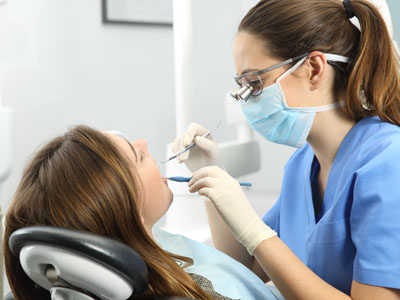
Cleaning methods combine both hand instruments and powered scalers to remove calculus and biofilm. Ultrasonic scalers use gentle vibrations and a fine water spray to break up deposits, while hand instruments refine and smooth tooth surfaces. Hygienists tailor the approach to each patient’s needs, balancing efficiency with comfort to manage sensitive areas without compromising thoroughness.
After scaling, teeth are polished to remove surface stains and to smooth enamel, which makes it harder for plaque to reattach. The visit often concludes with an evaluation and practical recommendations—small, achievable changes in technique or products that deliver measurable improvements between visits.
Advances in dental technology have made cleanings more precise and more comfortable. Digital intraoral imaging and magnification allow clinicians to see and document areas that might be missed by the naked eye. Many offices also use air polishing systems and fine abrasives to remove stains with minimal abrasion to enamel.
Effective cleaning goes hand-in-hand with strict infection control. Proper instrument sterilization, surface disinfection, and single-use barriers are standard practices to protect patients. These measures are part of an evidence-based protocol that keeps the clinical environment safe while supporting predictable outcomes.
For patients with specific conditions—such as extensive tartar buildup, a history of periodontal disease, or sensitive teeth—clinicians may adapt instruments, timing, or technique. Treatment plans can include more frequent maintenance visits or additional diagnostic tests to ensure care is both safe and effective.
Professional polishing removes superficial discoloration and produces a smoother enamel surface, which looks cleaner and feels more comfortable. While polishing improves aesthetics, its bigger benefit is helping to reduce early plaque accumulation and making daily oral hygiene more effective.
Equally important is a tailored home-care plan. Hygienists provide individualized coaching on brushing technique, flossing strategies, and the most suitable interdental tools based on your tooth spacing and gum condition. Small adjustments—like switching to a soft-bristled electric brush or adding an interdental cleaner—can dramatically lower plaque levels between visits.
Dietary choices and habits also influence oral health. Reducing frequent exposure to fermentable carbohydrates, limiting acidic beverages, and staying hydrated support a balanced oral environment. Your care team will suggest practical changes that fit your lifestyle, rather than prescribing one-size-fits-all rules.
Preventive care is most effective when it is continuous. Based on your oral health status, your clinician will recommend a maintenance schedule—often twice a year for routine care, with more frequent visits for those managing periodontal disease or other dental concerns. These intervals are designed to intercept problems early and keep treatment needs minimal.
Patient comfort and clear communication are central to every cleaning visit. Hygienists explain findings in plain language, answer questions, and adapt procedures when sensitivity or anxiety is a concern. If additional treatment is indicated, your team will explain options and next steps so you can make informed decisions about your care.
At Fuller Smiles San Fernando Valley we aim for consistent, compassionate preventive care that preserves healthy teeth and gums throughout life. Cleanings are an investment in daily comfort, functional chewing, and long-term oral health—small visits that deliver lasting benefits.
Summary: Professional dental cleanings remove deposits brushing can’t, interrupt the progression of gum disease, and give clinicians a chance to catch problems early. Modern techniques and rigorous infection control make visits efficient and comfortable, while personalized home-care guidance extends the benefits between appointments. Contact us to learn more about how regular cleanings can protect your smile and support overall health.

A professional dental cleaning, also called prophylaxis, is a clinical procedure performed by a licensed hygienist or dentist to remove plaque, tartar and surface stains from the teeth. The process combines mechanical removal of deposits with polishing to smooth the tooth surface and discourage future buildup. Cleanings also include an assessment of the gums and identification of any areas that may need additional treatment or monitoring.
Beyond cosmetic benefits, dental cleanings are a key preventive measure that helps reduce the risk of cavities and gum disease. During the visit, the clinician documents findings, answers questions about home care, and provides tailored recommendations to support long-term oral health. Regular cleanings create an opportunity to detect early problems that are easier to treat than advanced disease.
For most patients, dental cleanings are recommended every six months to maintain oral health and catch problems early. This twice-yearly schedule gives the hygienist a chance to remove deposits that are difficult to reach with routine brushing and flossing, and to monitor the gums for signs of inflammation or disease. Patients with a history of gum disease, heavy buildup, or certain medical conditions may need more frequent visits, often every three to four months.
The office of Fuller Smiles San Fernando Valley generally advises a preventive schedule based on each patient’s individual risk factors and clinical findings. Your dentist or hygienist will review your oral health at each visit and recommend an appropriate recall interval to help protect your smile. Staying consistent with scheduled cleanings is one of the most effective ways to prevent more invasive treatment later on.
Dental cleanings commonly involve a combination of hand instruments and an ultrasonic scaler to remove plaque and tartar from the tooth surface and just below the gumline. Hand scalers and curettes are used to carefully scrape and remove hardened deposits, while an ultrasonic device uses water and high-frequency vibrations to break up buildup and flush debris from periodontal pockets. After scaling, the hygienist typically polishes the teeth with a rotating cup and a mildly abrasive paste to remove surface stains and create a smoother enamel surface.
In addition to scaling and polishing, most appointments include a short exam and may involve digital X-rays or intraoral photography when necessary to evaluate areas not visible to the naked eye. The combination of these tools helps the clinician deliver a thorough, efficient cleaning while documenting the condition of your teeth and gums. Hygienists are trained to use each instrument in a way that minimizes discomfort and maximizes safety.
Routine dental cleanings are generally pain-free for most patients because the work is focused on the superficial areas around the tooth necks and just below the gumline. You may feel pressure, scraping or mild vibration with an ultrasonic scaler, but these sensations are usually well tolerated and brief. If you have sensitive teeth, inflamed gums, or deep pockets, the area can feel tender during cleaning.
For patients who experience discomfort, hygienists can take steps to improve comfort such as using topical numbing gels, applying desensitizing agents, or pausing to allow breaks during the procedure. If more extensive anesthesia is needed for deeper treatments, the clinical team will discuss safe options and obtain your consent before proceeding. Communicating with your provider about sensitivity helps ensure a more comfortable visit.
A routine cleaning focuses on removing plaque and tartar above and just below the gumline to maintain periodontal health and prevent disease progression. Scaling and root planing, often called a deep cleaning, is more intensive and targets deeper pockets where bacteria have caused attachment loss and inflammation. Deep cleanings involve smoothing the root surfaces and thoroughly removing infected material to help the gums reattach to the tooth.
The need for scaling and root planing is determined by clinical measurements of pocket depth, bleeding on probing, and radiographic evidence of bone loss. While routine cleanings are part of preventive care, deep cleanings are therapeutic procedures aimed at controlling active gum disease and reducing the risk of further tissue destruction. Your dentist will explain the recommended approach based on a comprehensive periodontal evaluation.
Preparing for a dental cleaning requires minimal effort: arrive with your usual oral hygiene completed and bring any relevant medical information, including a list of medications and recent changes to your health. If you have specific concerns such as tooth sensitivity, bleeding gums, or a history of periodontal treatment, mention these when you check in so the hygienist can address them during the visit. Patients who are experiencing active infections, recent surgeries, or certain medical conditions should inform the office prior to the appointment.
If you are pregnant, have a weakened immune system, or take medications that affect bleeding or healing, let the clinical team know so they can tailor care appropriately. There is no special fasting or preparation required for a routine cleaning, but clear communication about your health and comfort preferences helps the team provide the safest, most effective treatment. Bringing a list of questions can also help you make the most of the appointment.
A standard dental cleaning appointment usually takes about 30 to 60 minutes, depending on the amount of buildup, whether X-rays are needed, and whether a thorough periodontal evaluation is performed. New patients or those who have not visited in a while may require a slightly longer visit to complete a comprehensive exam, update medical history, and capture necessary images. Patients receiving multiple services or more extensive scaling may need additional time to complete care safely and comfortably.
Your hygienist will explain the expected length of the appointment when you schedule and can provide a more precise estimate based on your individual needs. Allowing adequate time helps ensure the clinician can work carefully without rushing, which supports better outcomes. If you have time constraints, mention them when you book and the staff will do their best to accommodate you.
After a routine cleaning you can generally resume normal activities immediately, including eating and brushing, although some patients prefer to wait a short while if their mouth feels numb from topical agents. Mild sensitivity or gum tenderness for a day or two is common after scaling, and using a soft-bristled brush along with a desensitizing toothpaste can help manage discomfort. Maintain regular home care by brushing twice daily and flossing once daily to extend the benefits of the cleaning.
If your hygienist provided specific instructions such as a prescription rinse, targeted flossing techniques, or a recall interval, follow those recommendations closely and schedule any suggested follow-up visits. Contact the office if you experience unusual bleeding, severe pain, or signs of infection after the appointment. Consistent aftercare supports healing and reduces the chance of recurrence of plaque and inflammation.
Dental cleanings are safe procedures performed under strict infection control protocols to protect patients and staff. Clinical facilities typically follow medical-grade sterilization for instruments, CDC-recommended disinfection for clinical surfaces, and additional measures such as UVC disinfection of nonmedical equipment when appropriate. Staff are trained in standard precautions, hand hygiene, and the use of personal protective equipment to limit exposure to pathogens.
The office of Fuller Smiles San Fernando Valley follows established guidelines and routinely updates protocols to align with current public health recommendations. Patients should feel empowered to ask about the practice’s safety procedures if they have questions, and the team will gladly explain the steps taken to ensure a clean, controlled environment. These measures make routine cleanings a low-risk, high-benefit part of preventive dental care.
Yes, dental cleanings contribute to overall health by reducing oral inflammation and bacterial burden that can influence systemic conditions. Research links periodontal disease with increased risks for conditions such as cardiovascular disease, diabetes complications, and adverse pregnancy outcomes, so maintaining periodontal health through regular cleanings can be part of a broader strategy to protect your well-being. Removing plaque and tartar lowers the number of harmful bacteria that can trigger inflammatory responses beyond the oral cavity.
Routine visits also provide opportunities for early detection of oral conditions that may affect general health, including signs of infection, mucosal changes, or lesions that warrant further evaluation. Your dental team can coordinate care with your physician when necessary and provide education to support healthy habits that benefit both your mouth and the rest of your body. Preventive dental care is an important component of comprehensive health maintenance.
Take a smiling selfie and we’ll show you what Invisalign® treatment can do for you. Sometimes insurances can cover upto $2500 of invisalign treatment. Call our office or follow the link to find out.