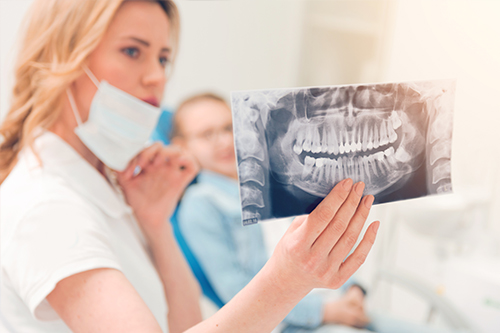
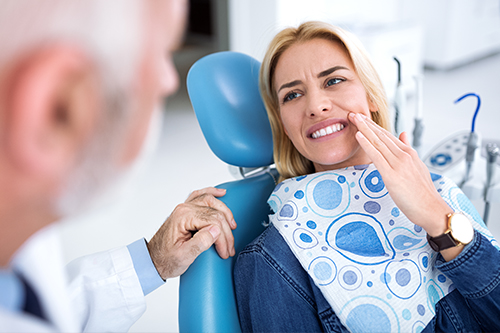
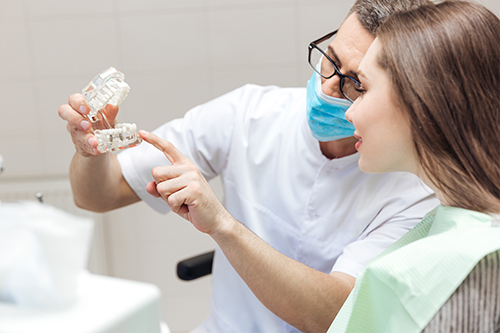
A split image showing a woman receiving dental care in one half and a woman performing the procedure on the other.

Emergency Treatment

Reserve an Appointment

When to Seek Immediate Dental Care

Dental emergencies can be alarming: sudden pain, a cracked tooth, or unexpected swelling often leave patients unsure what to do next. If you experience severe pain that won’t subside, uncontrolled bleeding, a knocked-out tooth, or signs of spreading infection such as fever and facial swelling, these are situations that warrant prompt professional attention. Acting quickly can reduce the risk of permanent damage and improve the chance of saving a natural tooth.

Not every dental problem is an emergency, but distinguishing urgent issues from those that can wait a day or two is important. If you’re unsure whether a situation requires immediate care, look for changes in function (difficulty breathing, swallowing, or talking), sharp increases in pain, or any traumatic injury to the jaw or face. These symptoms should be evaluated as soon as possible to prevent complications.

When you arrive for emergency treatment, our first priorities are stabilizing your condition and controlling pain. Early intervention focuses on containment—stopping bleeding, managing infection risk, and preserving remaining tooth structure. Quick, appropriate care both reduces suffering and sets the stage for definitive repair.

Types of Dental Emergencies We Commonly Treat

Dental emergencies take many forms and can affect teeth, gums, and the soft tissues of the mouth. Common urgent concerns include toothaches from decay or trauma, fractured or chipped teeth, dislodged restorations, and problems with wisdom teeth. Soft-tissue injuries, abscesses, and sudden swelling also require prompt attention because of the risk of spreading infection.

We routinely address issues such as severe tooth pain, broken fillings or crowns, loose teeth from injury, and painful gum conditions. In addition to tooth-focused problems, our team evaluates and treats oral lesions, persistent bleeding, and signs of systemic infection that may present first inside the mouth. A thorough exam helps identify the root cause so that treatment is targeted and effective.

Below are examples of urgent problems we can evaluate and manage:

  • Intense tooth pain or sensitivity that interferes with sleep or daily activities
  • Chipped, fractured, or loose teeth after trauma
  • Abscesses or facial swelling suggesting infection
  • Dislodged or broken crowns, bridges, and fillings
  • Problems with dentures or other prosthetics that cause pain or injury
  • Impacted or painful wisdom teeth
  • Unexplained oral bleeding, persistent sores, or suspicious lumps

What to Expect During an Emergency Visit

When you arrive for emergency care, the team will take a focused medical and dental history to understand your symptoms and any underlying health conditions that could affect treatment. This intake helps us prioritize interventions and identify any immediate risks, such as bleeding disorders or medications that influence healing. Your comfort and safety guide every decision during the visit.

Next, a targeted clinical exam and, when needed, diagnostic imaging such as X-rays or CBCT scans are used to pinpoint the source of the problem. These tools let us assess bone and tooth structure, detect hidden infection, and plan restorations or surgical approaches. Imaging is used judiciously to obtain the information required to treat the problem effectively and efficiently.

Pain control and infection management are early goals. We use evidence-based methods—local anesthesia, adjustments to existing restorations, temporary splinting, or drainage for abscesses—to relieve discomfort and stabilize the situation. If antibiotics are indicated, they will be prescribed based on clinical findings and current best practices, always tailored to the individual patient’s needs.

Immediate and Follow-Up Treatment Options

Treatment during an emergency visit is guided by the nature and severity of the problem and by the long-term plan for oral health. For minor fractures or lost fillings, we may place a temporary or permanent restoration to protect the tooth and restore function. For more extensive damage, a custom restoration such as a crown may be scheduled after initial stabilization to ensure the tooth is healthy and free of infection.

If the dental pulp is involved—when pain indicates inflammation or infection inside the tooth—endodontic treatment (root canal therapy) is often the best way to save the tooth. Root canal therapy removes infected tissue, disinfects the internal canals, and seals the tooth to prevent recurrence of infection. In some instances where a tooth cannot be preserved, extraction may be necessary; when that occurs, we discuss replacement options to restore chewing function and esthetics.

Modern tooth-replacement options range from fixed bridges and removable prosthetics to dental implants, which offer a durable, natural-feeling solution when appropriate. Whatever the path forward, our clinicians coordinate short-term relief with long-term planning so that the emergency visit becomes the first step toward durable oral health and comfort.

Aftercare, Recovery, and Preventing Future Emergencies

Recovery after emergency dental treatment varies with the procedure performed. We provide clear, practical aftercare instructions—how to manage swelling and pain at home, what foods to avoid, and signs that should prompt a return visit. Proper follow-up ensures that healing progresses as expected and allows us to transition from emergency stabilization to definitive restorative care.

Prevention plays a central role in reducing the chance of future emergencies. Routine dental exams, timely restorative care, custom night guards for bruxism, and protective appliances for sports can all lower the risk of sudden tooth damage. Patient education about safe habits, early warning signs of trouble, and when to seek care empowers individuals to act before problems escalate.

Our team is prepared to coordinate continuity of care after an emergency visit, scheduling any necessary follow-up appointments and explaining staged treatment plans clearly so patients know what to expect. For compassionate, expert emergency dental care, you can rely on Fuller Smiles San Fernando Valley to respond promptly and skillfully to urgent oral health needs.

In summary, dental emergencies require timely assessment and decisive care to control pain, limit damage, and preserve long-term oral health. If you or a family member is facing a sudden dental problem, contact us to arrange an evaluation and begin relief-focused treatment. Our staff can guide you through what to do right away and how we’ll restore comfort and function in the days that follow.

Frequently Asked Questions

Frequently Asked Questions

What is a dental emergency?

+
Fuller Smiles San Fernando Valley

Toothaches

Pain is your body's way of signaling that something is not quite right and though there are many reasons for oral pain, one of the most common complaints and reasons for seeking urgent dental care is a toothache. Whether you simply need a dental filling, a crown, or require a root canal procedure to save your tooth, we'll alleviate your discomfort and restore the look and function of the involved tooth.

Fuller Smiles San Fernando Valley

Dental Trauma

Dental trauma can result in a defect as minor as a small chip in tooth enamel to a more extensive and painful crack or fracture. With sufficient force, a tooth can even be displaced or completely knocked out of its socket. With prompt emergency care, many injured teeth can be restored and saved.

Fuller Smiles San Fernando Valley

Wisdom Teeth

The last teeth in your mouth to develop, wisdom teeth often do not have enough room to fully erupt or may be positioned in the wrong direction. These issues can affect your dental health as well as overall well-being. Our office provides skilled care to address the complications caused by problematic wisdom teeth.

Fuller Smiles San Fernando Valley

Broken or Lost Dental Appliances

A broken or lost dental prosthesis or restoration can cause embarrassing gaps in your smile as well as compromise your ability to eat and speak with ease. If you've lost or broken a dental filling, denture, crown, or other dental appliance, you can rely on our office to perform a prompt repair or provide a durable and cosmetically pleasing replacement as quickly as possible.

At the office of Fuller Smiles San Fernando Valley, emergency appointments are always available. Of course, in addition to providing top treatment for dental emergencies, we also welcome patients searching for high quality and affordable care. We offer a complete range of the latest and best cosmetic and dental services for every member of your family.

How long do I have to wait for an emergency dental appointment?

+

If you are suffering from a toothache or have sustained a dental injury, it is important to visit the dentist as soon as possible before more serious complications arise. Whether your dental emergency is painful, if it affects the appearance of your smile, or if you suspect that an infection is present, our office will make every effort to see you as promptly as possible for care.

At the office of Fuller Smiles San Fernando Valley, we treat your dental emergency as our top priority. Our caring team will respond to your emergency call right away, making sure you get the gentle, state-of-the-art care you need without delay.

As your trusted emergency dentist in NorthridgeWest Hills, we provide the highest quality of care to mitigate the stress, anxiety, and discomfort of dental problems. Our dedicated team will help you start feeling better as soon as we receive your emergency call.

Do I need to go to the emergency room or hospital?

+

At the office of Fuller Smiles San Fernando Valley, we provide skilled and experienced care to effectively resolve a broad range of dental emergencies, restoring a patient's oral health while protecting their overall wellbeing.

However, even so, specific dental emergencies pose significant threats to one's health. These situations require immediate, emergency room care. Serious and potentially life-threatening dental emergencies include significant oral and facial trauma such as jaw fractures, deep wounds or lacerations to the face and mouth, an abscess or infection that causes widespread facial or submandibular swelling, or affects breathing and swallowing.

How much does emergency dental treatment cost?

+

At the office of Fuller Smiles San Fernando Valley, we provide prompt, skilled, and experienced care to address dental emergencies. We understand that finances are always a concern and do our best to provide options in care that are both affordable and respect your budget.

Once we've had the opportunity to examine your smile, we can give you a clear picture of any existing dental issues, along with a quote for what the cost of treatment will be. The cost of care all depends upon the extent and complexity of issues affecting the health or appearance of your smile and the types of procedures that are required.

To help alleviate any additional stress or delay, you can count on our staff to work with you to optimize coverage for your dental care and to minimize your out-of-pocket expenses. For patients without insurance, we strive to make things easier as well! We invite you to visit our financial information page or speak to an expert in our business office.

Why choose us for your emergency dental treatment?

+

Dental emergencies are often painful and debilitating experiences. For this reason it's important to have an emergency dentist in NorthridgeWest Hills, who welcomes patients with urgent dental needs while providing the prompt care required to restore oral health.

Here are just some of the reasons why so many patients choose our office for emergency dental care and to meet their family's dental needs:

  • Skilled and compassionate care for patients of all ages
  • Ultra-modern office designed with patient comfort in mind
  • Professional team experienced in all facets of care
  • State-of-the-art diagnostic and treatment technology
  • Precise and gentle treatment using leading-edge systems of care
  • Careful attention paid to patient input and treatment expectations
  • Detailed explanations of treatment options and every step in care
  • Provision of a broad range of dental services and emergency procedures
  • Recognizes the specific needs of each patient and the unique requirements of every smile
  • Provide patients with the education and tools to establish a strong foundation for optimal oral health

We're dedicated to helping patients enjoy good oral health and beautiful smiles. We look forward to helping you keep your smile in tip-top condition. You can rest assured that our highly skilled office team will provide you the highest quality of state-of-the-art dental care and have you smiling again in no time!

To make an appointment or for more information on our office and the many state-of-the-art services we provide, give us a call today.

What counts as a dental emergency?

+

A dental emergency is any oral health problem that causes severe pain, uncontrolled bleeding, a knocked-out tooth, or swelling that affects breathing or swallowing. Common urgent issues include abscesses, deep tooth fractures, dislodged restorations, and traumatic injuries to the mouth or jaw. Because these conditions can worsen quickly, timely evaluation is important to limit complications and preserve oral health.

Not every dental concern is an emergency, but urgent problems often require same-day attention to prevent infection, permanent damage, or the need for more extensive treatment. If you are unsure whether a situation is urgent, contact your dentist for guidance so you can receive appropriate triage and instructions. Quick intervention can improve outcomes and may enable the dentist to save a tooth or stop the spread of infection.

What should I do right away for a severe toothache?

+

Begin by rinsing your mouth with warm salt water to remove debris and help reduce inflammation, and use dental floss gently to dislodge any trapped food between teeth. Apply a cold compress to the outside of the cheek to reduce swelling and consider an over-the-counter pain reliever according to the product directions to manage discomfort. Avoid placing aspirin or other medications directly on the gum or tooth surface, as that can irritate soft tissues.

These measures provide temporary relief but do not replace professional care, since a severe toothache may indicate decay, infection, or pulpal inflammation. You should contact your dental office to arrange an urgent appointment so the cause can be diagnosed and treated, which may include restorative work, root canal therapy, or other definitive care. Prompt evaluation reduces the risk of spread of infection and improves the chances of preserving the natural tooth.

How should I care for a knocked-out tooth?

+

If a permanent tooth is completely knocked out, pick it up by the crown (the chewing surface) and avoid touching the root. If the tooth is dirty, rinse it gently with water without scrubbing or using soap; do not remove attached tissue fragments. If possible and comfortable, try to reinsert the tooth into its socket and hold it in place, or keep it moist by placing it in milk, saline, or the patient’s saliva while you seek emergency dental care.

Time is critical for the best chance of saving an avulsed tooth, so see a dentist as soon as possible after the injury. A dentist will assess the tooth and surrounding tissues and may attempt replantation and splinting, followed by appropriate follow-up care. Even if reinsertion is not possible, bringing the tooth and any fragments to the appointment helps the team determine next steps for restoration or replacement.

When should I go to an emergency room instead of the dental office?

+

You should go to an emergency room for life-threatening issues such as difficulty breathing, uncontrolled bleeding from the mouth that cannot be stopped, severe facial trauma, or a suspected broken jaw. If swelling from a dental infection is rapidly progressing and interfering with breathing or swallowing, the emergency room can provide immediate stabilization and airway management. The ER can also address associated head or eye injuries that require medical imaging and multidisciplinary care.

For dental pain, isolated tooth problems, or localized swelling without airway compromise, an emergency dentist can provide the most appropriate care and definitive treatment. If you have any doubt about the severity of the condition, seek emergency medical services or call 911 for signs of systemic illness such as high fever, confusion, or severe weakness. After initial stabilization in the ER, you may be referred back to a dental office for ongoing care and tooth-specific treatment.

Can an emergency dentist treat infections and dental abscesses?

+

Yes. Emergency dental care commonly addresses infections and abscesses by draining pus when appropriate, prescribing antibiotics if systemic signs are present, and providing pain relief and infection control. The dentist will identify the underlying source of the infection—often a deep cavity, failed restoration, or a cracked tooth—and recommend definitive treatment aimed at removing that source.

Definitive care may include root canal therapy to save an infected tooth, extraction when a tooth cannot be saved, or restorative procedures after the infection is controlled. Emergency measures focus on stabilizing the patient and reducing the risk of spread, while follow-up visits complete the definitive treatment and monitoring. Antibiotics alone are not a definitive cure and are used in combination with dental procedures when indicated.

What will happen during an emergency dental visit at Fuller Smiles San Fernando Valley?

+

At your emergency appointment, the dental team will take a brief medical history, perform an oral examination, and use imaging such as digital X-rays or CBCT when needed to diagnose the problem. The clinician will prioritize pain control through local anesthesia and may offer additional comfort measures or sedation options depending on the situation and patient needs. After assessing the condition, the dentist will explain the diagnosis and present immediate treatment options to stabilize the situation.

Treatments during the urgent visit can range from temporary measures like placing a sedative dressing or a provisional restoration to definitive procedures such as drainage, root canal therapy, splinting, or extraction. The team will provide instructions for home care, prescribe medications if necessary, and schedule follow-up appointments to complete restorative or reconstructive treatment. Clear communication about next steps and expected recovery helps patients understand what to expect and how to manage symptoms at home.

Do you accept walk-ins or provide after-hours emergency care?

+

Fuller Smiles San Fernando Valley emphasizes prompt, accessible care and strives to accommodate urgent dental needs whenever possible, particularly at our Northridge and West Hills locations. Policies about walk-ins and after-hours staffing can vary, so calling the office first is the best way to get immediate guidance and, if available, arrange an urgent appointment. The staff will advise whether to come in right away, wait for an appointment, or seek emergency medical services based on your symptoms.

If you experience a severe emergency outside of office hours—such as uncontrolled bleeding, trouble breathing, or rapidly spreading facial swelling—seek care at the nearest emergency room or call emergency services without delay. For non-life-threatening but urgent dental problems, contact the practice during business hours to be triaged and scheduled for the earliest possible visit. Preparing basic information about your symptoms before you call helps the team prioritize care.

How should I handle dental trauma in a child?

+

Stay calm and comfort the child, check for bleeding or serious injury, and control bleeding with gentle pressure using a clean cloth. For a knocked-out baby tooth, do not attempt to reinsert it; for a knocked-out permanent tooth, follow adult avulsed-tooth steps such as handling by the crown and keeping the tooth moist while seeking immediate care. Rinse any broken tooth fragments and bring them with you to the appointment, as they can be useful for assessment and repair.

Children may be frightened after an injury, so choose a facility that can provide gentle, child-focused care and clear explanations to both the child and caregiver. Pediatric dental considerations include monitoring developing teeth and growth, and treatment plans may differ from adults to protect permanent tooth buds. Early evaluation reduces the chance of long-term complications and helps determine whether restorative treatment, splinting, or follow-up observation is most appropriate.

Can a root canal be performed as part of emergency treatment?

+

Yes, root canal therapy or a partial pulpotomy can be performed on an emergency basis when the tooth’s nerve is inflamed or infected and causing severe pain. Emergency endodontic procedures focus on relieving pain and removing infected tissue from the tooth’s inner chamber, which can often be accomplished in one visit or initiated as a temporary measure. Prompt endodontic treatment can preserve the natural tooth and prevent the spread of infection to surrounding structures.

Depending on the complexity of the case, a temporary filling may be placed after the emergency procedure with plans for a definitive root canal and permanent restoration at a follow-up visit. In some instances where the tooth cannot be saved, extraction may be recommended instead of endodontic therapy. Your dentist will discuss the benefits and limitations of each option and coordinate follow-up care to restore function and appearance.

What steps can I take to reduce the risk of future dental emergencies?

+

Prevention starts with regular dental checkups and cleanings to identify and treat decay, loose restorations, or early signs of wear before they become emergencies. Use appropriate protective gear such as custom-fitted sports mouthguards during contact activities and night guards if you grind your teeth, and avoid chewing ice, hard candies, or other objects that can fracture teeth. Good daily oral hygiene and timely treatment of small problems reduce the likelihood of sudden pain or infection.

Having a basic emergency kit with gauze, a small container for a displaced tooth, and contact information for your dental office can make immediate first aid easier to manage. Learn basic first-aid steps for common dental traumas so you can act quickly when accidents occur. Early attention to warning signs and cautious habits go a long way toward preserving your smile and minimizing urgent visits.

Smile Visualization

Take a smiling selfie and we’ll show you what Invisalign® treatment can do for you. Sometimes insurances can cover upto $2500 of invisalign treatment. Call our office or follow the link to find out.

Connect With Us

Contact Us
Get Directions
Book Online
Northridge
Monday
8:00 am - 5:00 pm
Tuesday
10:00 am - 7:00 pm
Wednesday
8:00 am - 5:00 pm
Thursday
10:00 am - 7:00 pm
Friday
8:00 am - 5:00 pm
Saturday
8:00 am - 2:00 pm (alternating)
West Hills
Monday
9:00 am - 5:00 pm
Tuesday
9:00 am - 5:00 pm
Wednesday
9:00 am - 5:00 pm
Thursday
9:00 am - 5:00 pm
Friday
9:00 am - 2:00 pm

This is an example popup