Invisalign® for Teens

Invisalign® offers a modern, low-profile approach to orthodontic care that fits into a busy life. Using a sequence of custom, clear aligners, the system gradually shifts teeth into better alignment without the visual or physical footprint of metal braces. Many patients choose this option because it blends clinical predictability with everyday convenience and discretion.

Invisalign® for Teens

Invisalign® for Brides

Invisalign® for Travelers
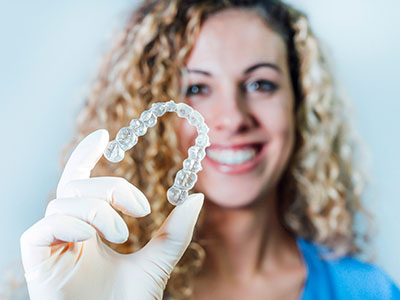
Before & After Photos
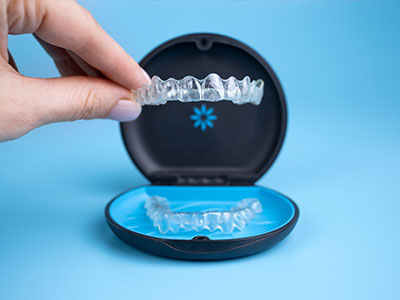
Invisalign® Videos
FAQs
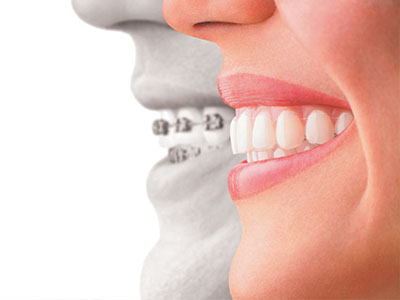
Invisalign® vs Braces
Invisalign® vs Direct-To-Consumer Aligners
Is Invisalign® Right For Me?

Invisalign® Costs
At its core, Invisalign® combines detailed three-dimensional imaging with precision-manufactured aligners to create a step-by-step plan for tooth movement. Your clinician maps the desired final positions, then programs a series of slightly different aligners that apply gentle, controlled force to guide each tooth along the planned path. Because every aligner is fabricated to exact specifications, movement is gradual and predictable.
This approach is well-suited to a wide range of alignment concerns—from mild crowding and spacing to certain bite issues. Treatment can address rotation, tipping, and some vertical changes when used with adjunctive techniques. While not every complex case is ideal for clear aligners, many patients who want a less conspicuous option will find Invisalign® a reliable alternative to traditional braces.
One of the biggest practical advantages is removability. Aligners can be taken out for short periods to eat, brush and floss, and for important social or professional moments. That flexibility makes maintaining oral hygiene easier during treatment, and it allows you to continue enjoying the foods you love without the restrictions that braces often impose.
As pioneers in the field of aligner development and technology, the folks at Align Technology, Inc. gather data from millions of treated smiles to design treatment systems that:
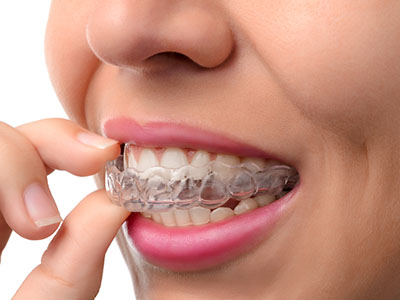
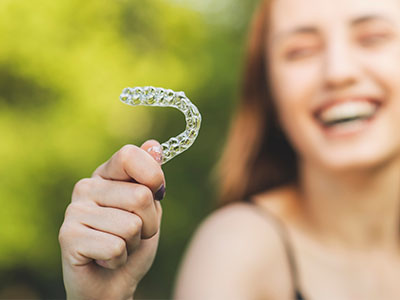
Custom-made to the exact specifications of your smile, Invisalign® clear aligners are designed to incrementally move your teeth into their correct positions over time. Simply swap-out last week's aligner for the next one in the series and watch as your smile progressively shows signs of improvement.
And, because Invisalign® clear aligners are removable for short periods of time, you can still enjoy the foods you love as well as brush and floss your teeth with ease!

Every successful Invisalign® case begins with a thorough, individualized evaluation. During your initial visit we examine tooth positions, bite relationships, gum health, and jaw function to determine whether clear aligner therapy is an appropriate choice. This step also helps identify any preparatory care—such as managing gum disease or replacing failing restorations—that should be addressed before orthodontic movement begins.
We’ll use digital imaging and intraoral scans to capture an accurate map of your teeth and bite. These digital records allow us to visualize potential tooth movement and anticipate challenges before any aligners are fabricated. This advanced planning reduces surprises and improves overall treatment predictability.
Open communication is part of the evaluation. We’ll discuss your goals, any functional concerns, and the lifestyle factors that influence treatment—so the final plan aligns with what you want to achieve, not just what is technically possible.
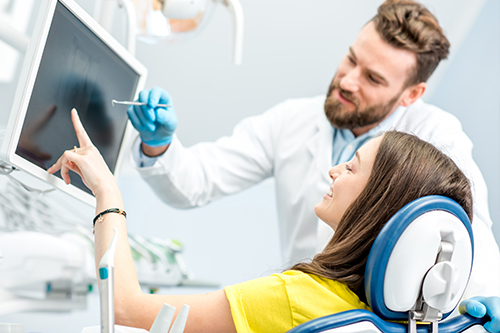
After capturing precise scans of your teeth, your care team develops a personalized treatment sequence using specialized software. This virtual plan illustrates how teeth will move at each stage, giving you and your clinician a clear roadmap from start to finish. Seeing the projected outcome helps set realistic expectations and allows for adjustments before aligners are produced.
The digital preview is a collaborative tool. We use it to fine-tune tooth positions, evaluate bite relationships, and plan any attachments or auxiliaries that improve control of specific movements. The result is a tailored approach that addresses both cosmetic and functional goals.
Once the plan is finalized, the aligners are manufactured to match each planned stage. Because these steps are digitally coordinated, manufacturing is consistent and repeatable—helping ensure a close fit and reliable performance throughout treatment.
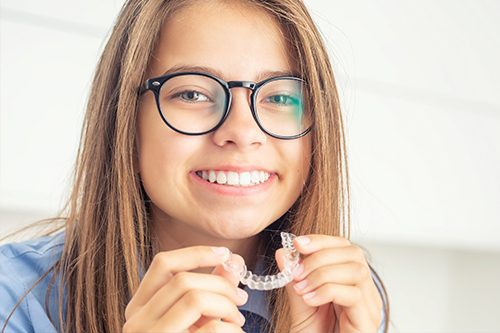
Modern clear aligners are fabricated from resilient, biocompatible thermoplastic materials designed for both comfort and force delivery. Their transparency makes them discreet, while subtle design features help maintain close contact with teeth so prescribed movements occur as planned.
In some cases we use small tooth-colored attachments—composite shapes bonded to specific teeth—to provide the aligner with better grip and leverage. These additions are temporary and carefully placed to guide movements like rotation or extrusion that are otherwise difficult to achieve with aligners alone.
Wearing aligners as directed and following cleaning and maintenance instructions are critical for predictable results. We provide practical guidance on daily care routines, proper insertion and removal techniques, and how to minimize common sources of wear or staining so the aligners remain effective throughout treatment.

Beginning treatment is a structured process: you receive a series of aligners and guidance on how long to wear each set before progressing to the next. Routine check appointments allow your clinician to monitor progress, make minor adjustments if necessary, and ensure comfortable fit and proper hygiene. These visits are typically brief and focused on tracking movement and addressing questions.
Treatment timelines vary based on the complexity of the case and patient compliance. Rather than promising a specific number of weeks, we emphasize steady, documented progress and clinical milestones. When the active phase is complete, a retention plan helps preserve your new tooth positions—commonly using removable retainers or other retention strategies tailored to your needs.
Post-treatment follow-up is an essential part of lasting success. We provide clear instructions for retainer wear and schedule periodic reviews to ensure results remain stable and your bite stays healthy over time.
Explore short video resources that demonstrate the aligner workflow, digital planning, and practical care tips.
*Invisalign® is a registered trademark of Align Technology, Inc.
For patients seeking a discreet, evidence-based way to improve alignment and bite function, Invisalign® represents a powerful combination of digital planning and comfortable, removable appliances. The process emphasizes careful evaluation, individualized planning, and clear guidance at every step to help you reach a healthier, more confident smile.
If you’d like to learn more about how clear-aligner therapy may fit your goals, contact Fuller Smiles San Fernando Valley for additional information and to schedule a consultation. Our team can explain the options, answer your questions, and outline the clinical steps required to move forward.
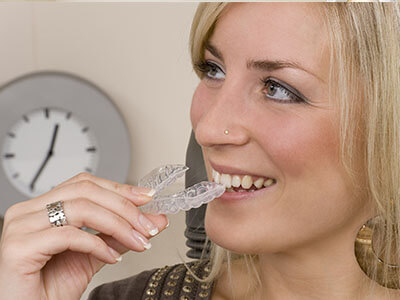
There are many options for patients who want to avoid metal braces! The most popular alternative orthodontic treatment is Invisalign®, which are clear plastic aligners designed to straighten teeth. After an examination of your teeth, your dentist will determine which option is best suited to your wants and needs.
According to the Invisalign® website, the cost for treatment is approximately the same as the cost for metal braces. A portion of this cost may be covered by your insurance. Please call us to set up a consultation and discuss potential payment plan options.
The first step is to schedule a consultation with your doctor, so they can devise a treatment plan that is best suited to your individual dental needs. Once approved, you will receive your first set of aligners. Your doctor will then regularly monitor the movement of your teeth and new aligners will be ordered according to the progress made in your treatment plan.
Invisalign® aligners are made of clear, flexible plastic. The company received a patent for this material – SmartTrack® – to be used exclusively for Invisalign treatment purposes. These aligners are FDA approved and nearly invisible!
Your doctor will give you an estimate regarding how long your Invisalign® treatment should take, which will depend on your specific needs. The average length of time for treatment is approximately 12-18 months. However, some patients may see results far sooner. Remember to wear your aligners exactly as instructed by your doctor to obtain the best results.
Your doctor will most likely recommend that you wear retainers following your Invisalign® treatment. This is a precaution that will prevent your teeth from shifting back to their original positioning. It is important to follow your doctor's instructions exactly to ensure long-lasting results.
You must wear your aligners for up to 22 hours daily. You may remove them for eating, drinking and regular oral hygiene.
No. Unlike braces, you may eat whatever you like as long as you remove the aligners before eating. Prior to placing the aligners back on, it is important to brush your teeth and the aligners after you eat.
Like any orthodontic treatment, there is a short adjustment period. The more you speak with the aligners on, the quicker you will adjust.
There will be some pressure and minor discomfort for a day or two after each initial insertion. This is a sign that your teeth are moving sequentially into their final position.
It is recommended that you remove your aligners prior to chewing gum as the gum will stick to the aligners.
We discourage smoking with aligners as the cigarette smoke will tend to discolor them.
Brushing them with toothpaste will keep them fresh and clean.
Regular office visits are every five to six weeks. This will ensure that your Invisalign treatment is progressing as planned.
All orthodontic patients are instructed to wear their retainers at night indefinitely. Sleeping with your retainers in at night will ensure a healthy bite and maintain the new position of your teeth.
Yes, if their teeth, including second molars, have grown in completely.
Invisalign® is a system of clear, removable aligners designed to move teeth gradually into their desired positions. Treatment begins with a detailed 3-D digital scan that maps current tooth positions and helps clinicians plan a sequence of custom aligners. Each aligner in the series applies gentle, controlled forces to specific teeth and is worn for a prescribed interval before progressing to the next one.
The aligners are nearly invisible and are custom fabricated to fit over your teeth, allowing most people to continue daily activities with minimal interruption. Because they are removable, you take them out briefly to eat and to maintain oral hygiene, which reduces the risk of some issues associated with fixed appliances. The overall plan is monitored and adjusted as needed so the sequence of aligners achieves the planned corrections.
Many adults and teens with mild to moderate alignment issues are excellent candidates for Invisalign®, including those with crowding, spacing, and certain bite concerns. Candidates should have good overall oral health with healthy gums and no untreated decay, since the aligners fit directly over the teeth and oral hygiene is essential. A comprehensive evaluation with dental imaging and clinical examination determines whether clear aligners are an appropriate option.
Certain complex cases may require traditional braces or a combination approach, but advances in aligner technology have broadened the types of movements that can be predictably achieved. Your clinician will review your dental history and treatment goals to recommend the safest and most effective path. If aligners are appropriate, a customized plan is developed to address your specific needs.
The process typically begins with a consultation and a fast, precise digital scan that creates a 3-D model of your teeth and bite. Using that data, your provider maps a step-by-step treatment plan and generates a visual preview of projected tooth movement so you can see the anticipated outcome. Once the plan is finalized, a series of custom aligners is fabricated to follow the planned sequence.
At the first delivery appointment you will receive instructions on wear schedule, aligner care, and any attachments or auxiliaries if required. Follow-up visits occur periodically to monitor progress and provide new sets of aligners as you advance through the plan. At Fuller Smiles San Fernando Valley our team guides patients through each phase to help ensure predictable results and a comfortable experience.
Treatment duration varies depending on the complexity of the case and the specific tooth movements required, but many patients complete their primary aligner series in several months to about a year. Simpler adjustments often resolve more quickly, while more extensive realignments or bite corrections may require additional time and refinements. The initial treatment plan provides an estimated timeline, which can be adjusted based on how teeth respond during care.
Patient compliance is a major factor in how quickly treatment progresses; wearing aligners for the recommended amount of time each day supports steady tooth movement. Periodic clinical reviews allow the provider to assess progress and order refinements if necessary to reach the treatment goals. Staying consistent with appointments and aligner wear helps achieve the intended outcome in a timely manner.
Proper aligner care preserves clarity, fit, and oral health while you undergo treatment. Rinse aligners each time you remove them, brush them gently with a soft toothbrush using water, and avoid hot water or abrasive cleaners that can warp or scratch the plastic. Specialized cleaning solutions or recommended cleaning crystals can be used periodically to remove buildup and maintain freshness.
Always store aligners in their protective case when not in use to reduce the risk of loss or damage, and avoid exposing them to colored beverages that can stain. Remove aligners for meals and brush and floss before reinserting them to maintain gum and tooth health. If an aligner becomes damaged or does not fit properly, contact your provider to determine the next steps.
Most patients experience only minor and temporary changes in speech when they first begin wearing aligners, often adapting within a few days as the tongue and lips adjust. The thin, smooth aligner surfaces are designed for comfort and to minimize irritation compared with some traditional appliances. Initial pressure or mild soreness is common for the first day or two after switching to a new aligner, as teeth respond to the prescribed forces.
Over-the-counter pain relievers and a short period of softer foods can help manage any temporary discomfort during the first few days of a new aligner. If sore spots or persistent irritation occur, your clinician can evaluate and make adjustments to improve fit and comfort. Regular communication with your provider ensures any concerns are addressed promptly so treatment remains comfortable and effective.
Attachments are small, tooth-colored composite bumps bonded to specific teeth to provide precise grip and force application for certain movements, such as rotation or extrusion. Not every patient requires attachments, but they are commonly used when the treatment plan calls for more complex tooth repositioning that aligners alone may not control as predictably. Attachments are planned digitally during the setup phase so their size and placement support the intended mechanics.
The attachments are placed and removed in the dental office with minimal discomfort, and they are discreet in appearance when matched to tooth color. Your provider will explain if attachments are part of your plan and how they contribute to efficient tooth movement. After treatment, the attachments are removed and the teeth are polished to restore a natural appearance.
Invisalign® technology has advanced substantially and can address a wide range of alignment and bite issues, including moderate crowding, spacing, and certain malocclusions. For some severe skeletal discrepancies or highly complex tooth movements, clear aligners may be used in combination with other orthodontic methods or surgical approaches to achieve ideal results. A thorough diagnostic evaluation helps determine whether aligners alone are suitable or if a multidisciplinary plan is needed.
Your dentist or orthodontist will review diagnostic records, discuss realistic expectations, and recommend the most appropriate approach for your case. Where aligners are appropriate, modern adjuncts such as attachments, elastics, or staged strategies improve the range of treatable conditions. The treatment recommendation focuses on achieving a healthy, stable bite as well as an improved cosmetic outcome.
Routine in-office checkups are typically scheduled every six to twelve weeks so your provider can review progress, supply the next series of aligners, and make any necessary adjustments. These visits are shorter than many traditional orthodontic appointments, but they remain important to ensure teeth are moving as planned and to address any issues that arise. Some practices also incorporate remote monitoring tools that allow brief virtual check-ins between in-person visits.
During each checkup the clinician verifies fit, evaluates tooth movement and gum health, and confirms that attachments or auxiliaries are functioning properly. If refinements are indicated, new scans or records may be taken to produce additional aligners that fine-tune the result. Keeping scheduled appointments helps maintain momentum and supports predictable outcomes throughout treatment.
After active alignment is finished, a retention phase is essential to stabilize teeth in their new positions and maintain results over time. Retainers can be removable or fixed and are chosen based on the specifics of the case and the clinician’s recommendation. Wearing retainers as instructed helps prevent relapse and preserves the treatment gains you achieved with aligners.
Follow-up visits allow your provider to assess how well the teeth are holding their positions and to adjust the retention plan if necessary. Many patients transition to night-time retainer wear after an initial period of full-time retention, but the exact schedule varies by case. Ongoing cooperation with the retention protocol is the best way to protect your investment in a straighter, healthier smile.
Take a smiling selfie and we’ll show you what Invisalign® treatment can do for you. Sometimes insurances can cover upto $2500 of invisalign treatment. Call our office or follow the link to find out.