Smile Visualization
Take a smiling selfie and we’ll show you what Invisalign® treatment can do for you. Sometimes insurances can cover upto $2500 of invisalign treatment. Call our office or follow the link to find out.

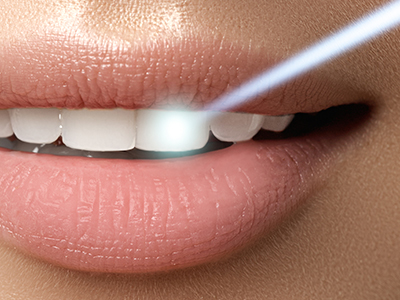
Laser dentistry uses focused light energy to address a range of dental conditions with precision. Unlike drills and scalpels that rely on mechanical contact, dental lasers deliver concentrated wavelengths that interact with tissue in controlled ways. There are different types of dental lasers—some are optimized for soft tissue, others for hard tissue—each selected for its ability to cut, vaporize, or coagulate while minimizing collateral damage to surrounding structures.
At a basic level, the laser’s light energy is absorbed by water and other cellular components in the target tissue. That absorption produces a rapid thermal effect that allows clinicians to remove diseased tissue, disinfect pockets, or stimulate chemical reactions in restorative and whitening procedures. The process is highly localized, which helps preserve healthy tooth and gum structure when compared to some traditional methods.
Because lasers operate without direct mechanical contact, they tend to generate less vibration and noise. For many patients this translates to a calmer experience. Still, clinical training and case selection matter: a laser is a specialized tool, and the benefits are greatest when it is used by practitioners who understand its capabilities and limits.
Lasers are used across a broad spectrum of dental services. In periodontal care, they can access infected pockets around teeth to remove diseased soft tissue and reduce bacteria, supporting healthier gum reattachment. For certain cavity treatments, specific lasers can remove decay and prepare a tooth for a restoration while conserving more healthy enamel and dentin than some traditional drills.
Soft-tissue procedures such as frenectomies, gingival contouring, and removal of benign oral lesions are often performed with lasers because they provide fine control and excellent hemostasis. The coagulative properties of lasers reduce bleeding during the procedure and often result in cleaner surgical fields, which can help with visibility and precision for the clinician.
Lasers also play a role in cosmetic and restorative workflows. They are commonly used to activate in-office whitening systems, accelerating the whitening chemistry without introducing additional heat or pressure. In restorative dentistry, lasers can be used to prepare tooth surfaces for bonding and to cure some restorative materials in a targeted manner, improving the fit and longevity of certain fillings.
Beyond treatment, lasers can assist in diagnostic and preventive care. Some laser systems enhance visualization of early enamel changes or aid in disinfecting hard-to-reach areas, supporting proactive management of oral health before conditions progress.
Many patients report a different sensory experience with laser treatments compared with traditional instruments. Because lasers often reduce vibration and mechanical contact, there is frequently less anxiety associated with the sound and feel of the procedure. In many cases this can lower the need for local anesthesia, though clinicians will always recommend anesthesia according to the patient’s needs and clinical judgment.
From a safety standpoint, modern dental lasers include built-in settings and safety measures that allow clinicians to tailor the energy output for a specific tissue type and clinical goal. This selectivity helps protect surrounding healthy tissues and minimizes thermal transfer when used correctly. Protective eyewear and strict operating protocols are standard to ensure both patient and staff safety.
Recovery after laser procedures is often faster and more comfortable for soft-tissue interventions because of reduced bleeding and swelling. Healing tends to occur with less post-operative soreness, and the precision of laser incisions can result in clearer margins that facilitate tissue regeneration. That said, follow-up care and proper oral hygiene remain essential to support a smooth recovery.
Laser dentistry offers clear clinical advantages: precise tissue removal, improved hemostasis, and often reduced postoperative discomfort. The ability to disinfect and sterilize the treatment zone while working can lower bacterial load during procedures, which is particularly valuable in periodontal therapies. For many restorative and cosmetic applications, lasers help clinicians preserve more natural tooth structure and produce smoother, more predictable tissue contours.
However, lasers are not a universal replacement for conventional instruments. Certain cavities, complex restorative work, and some surgical needs still require rotary instruments, hand tools, or microsurgical techniques. The effectiveness of a laser depends on its wavelength, power settings, and the clinician’s experience; an inappropriate choice or incorrect settings can reduce efficacy or extend treatment times.
Another practical consideration is integration into comprehensive care: the best outcomes often come from combining laser therapy with other evidence-based approaches, such as scaling and root planing, composite restorations, or traditional surgical techniques when indicated. A thoughtful treatment plan will identify where lasers add value and where conventional methods remain preferable.
Finally, candidacy for laser treatment varies by patient and condition. Medical history, tissue type, and the specific clinical objective are all evaluated during the consultation to determine whether laser therapy is a suitable option.
Before recommending laser treatment, the dental team will complete a comprehensive exam and discuss clinical goals with the patient. This evaluation often includes visual inspection, periodontal probing, and radiographs when necessary, so the clinician can map out the most appropriate use of the laser. The conversation should cover the intended benefits, alternative treatment options, and the anticipated course of recovery.
During the appointment, the clinician will explain safety procedures, such as the use of protective eyewear and any local anesthetic if required. Many laser sessions are shorter than their traditional counterparts, and patients often appreciate the streamlined workflow. The clinician will use settings tailored to the procedure so the treatment is efficient while minimizing unnecessary tissue exposure.
After care depends on the procedure performed but commonly includes straightforward guidelines: avoid strenuous oral manipulation, follow any dietary recommendations, maintain excellent oral hygiene, and return for scheduled follow-up visits. Clinicians provide specific instructions to support tissue healing and monitor outcomes. If any unusual symptoms occur, patients are advised to contact the office promptly for assessment.
When considering advanced options, it’s helpful to speak with a dental team experienced in laser applications. At Fuller Smiles San Fernando Valley, clinicians integrate laser technology into individualized treatment plans where it provides clear clinical value and improved patient comfort.
In summary, laser dentistry is a versatile, evidence-informed tool that enhances precision, comfort, and healing for a range of dental procedures. It works best as part of a comprehensive treatment plan tailored to each patient’s needs. If you’d like to learn more about whether laser therapy is appropriate for your dental care, please contact us for more information.

Laser dentistry uses concentrated light energy to perform a variety of dental procedures on both soft and hard tissues. Clinicians direct precise wavelengths to cut, vaporize, or disinfect targeted areas while leaving surrounding tissue largely unaffected. The approach can be applied to treatments ranging from gum reshaping to cavity preparation and soft tissue lesion removal.
Dental lasers differ by wavelength and power, which determines what tissue they interact with and how they are used in the mouth. Different types of lasers are designed specifically for soft tissue work, hard tissue work, or both, and practitioners select the appropriate device for each procedure. When used correctly, lasers expand the range of minimally invasive treatment options available to patients.
Dental lasers produce focused beams of light that deliver energy to targeted oral tissues, causing microscopic interactions such as cutting, coagulating, or sterilizing. The light energy is absorbed by water, pigment, or mineral content in the tissue, which generates the intended clinical effect without relying on mechanical contact. This mechanism allows for precise removal or modification of tissue with reduced trauma to adjacent areas.
Many dental lasers couple light with air and water sprays to cool the treatment site and clear debris, which enhances visibility and comfort during procedures. Settings such as wavelength, power, and pulse duration are adjusted to match the treatment goals and tissue type. Proper training and experience enable the dental team to optimize these parameters for safe, effective care.
Lasers are versatile tools that can assist in a wide range of dental issues, including treatment of periodontal disease, removal of soft tissue lesions, and surgical crown lengthening. They can also aid in cavity preparation for certain restorations, in disinfecting root canals, and in activating in-office whitening systems. For many soft tissue procedures, lasers provide a precise alternative to scalpels and electrosurgery.
In periodontal care, lasers help remove diseased tissue and reduce bacterial load, which can improve healing in conjunction with conventional therapy. For restorative and cosmetic cases, lasers can facilitate conservative tooth preparation and improve outcomes by minimizing bleeding and swelling. Not every case is appropriate for laser treatment, but many common dental problems can benefit from their use.
When performed by trained dental professionals, laser dentistry is considered a safe modality with well-established protocols for patient protection. Safety measures include selecting the correct wavelength, using protective eyewear, and following manufacturer and clinical guidelines to avoid unintended tissue damage. Proper training and certification in laser use are important safeguards for both clinicians and patients.
Lasers often reduce the risk of postoperative infection because their energy can sterilize the treatment zone as procedures are performed. They may also limit bleeding and swelling compared with some conventional surgical techniques, which can contribute to a smoother recovery. Nonetheless, clinicians assess individual medical histories and oral conditions to determine whether laser therapy is appropriate for each patient.
Many patients experience less discomfort with laser procedures compared with traditional drilling or cutting methods, because lasers can operate without direct contact, vibration, or significant heat. For minor soft tissue procedures and certain cavity treatments, clinicians may be able to use little or no local anesthesia, depending on the patient’s comfort level and the complexity of the procedure. That said, anesthesia remains available and is used whenever necessary to ensure patient comfort.
An individual’s sensitivity, the size and location of the treatment area, and the specific laser application will determine the need for anesthetic. Your dentist will discuss pain control options and tailor an approach that minimizes discomfort while maintaining safety. Follow-up care instructions also help manage any mild postoperative soreness that can occur after laser treatment.
Laser dentistry offers several clinical advantages, including greater precision, reduced bleeding, and often faster healing due to minimized trauma to adjacent tissues. The sterilizing effect of the laser beam can lower bacterial counts in the treated area, which may reduce the risk of infection and support improved outcomes. Additionally, many patients experience less postoperative swelling and discomfort than with conventional surgery.
Lasers can also preserve more healthy tooth structure when used for decay removal and selective hard tissue procedures, supporting more conservative restorative care. The reduction in vibration and noise associated with lasers can decrease anxiety for patients who are fearful of dental drills. However, lasers are a complement to, not a replacement for, many traditional dental instruments and techniques.
Yes. Although lasers are valuable in many scenarios, they are not suitable for every dental procedure or clinical situation. For example, many laser systems cannot routinely remove large volumes of decayed enamel or dentin as efficiently as rotary instruments, and certain restorative or prosthetic steps still require conventional tools. Complex surgical cases and some types of bone work typically call for alternative techniques.
Patient medical history, the specific tooth structure involved, and the goals of treatment also influence whether a laser is appropriate. Your dental team will evaluate these factors and recommend a treatment plan that may combine lasers with traditional methods when that approach delivers the best clinical outcome. Informed consent includes a discussion of the benefits and limitations of laser use for your particular case.
Preparation for a laser procedure is similar to preparation for traditional dental treatments and typically involves a review of medical history, current medications, and any allergies. The clinician will explain the planned steps, protective measures such as eyewear, and any specific preoperative instructions to follow. Patients should communicate dental anxiety, sedation needs, or medical concerns so the team can accommodate them appropriately.
After a laser procedure, many patients notice less bleeding and swelling and can return to normal activities sooner than with some conventional surgeries. Postoperative instructions may include gentle oral hygiene, avoiding certain foods for a short period, and attending follow-up visits to monitor healing. If discomfort or unusual symptoms occur, patients are advised to contact the office for guidance.
Good candidates for laser dentistry include patients seeking minimally invasive treatment for soft tissue issues, early-stage periodontal concerns, or selective hard tissue procedures where conservation of healthy structure is a priority. Candidates should be evaluated by a dental professional who understands laser indications, contraindications, and the specific technology being used. A thorough oral exam and review of medical conditions help determine suitability for laser therapy.
Certain medical conditions, medications, or anatomical factors may affect candidacy, so candid evaluation and communication are important. Your dentist can explain alternative treatments when lasers are not recommended and will design a personalized plan based on clinical findings. The goal is to choose techniques that offer the best combination of safety, comfort, and long-term oral health for each patient.
At Fuller Smiles San Fernando Valley our teams offer laser dentistry as part of a broader commitment to modern, minimally invasive care and patient comfort. We combine advanced equipment with clinical expertise to evaluate when lasers are the best option and to integrate them safely into individualized treatment plans. Patients can expect a clear explanation of how laser therapy will be used and what outcomes to anticipate.
Our Northridge and West Hills offices follow strict safety and sterilization protocols and prioritize continuing education for clinicians who use laser technology. This emphasis on training and infection control helps ensure laser procedures are performed according to current standards. If you are curious whether a laser is suitable for your dental needs, the practice can arrange a consultation to review options and next steps.
Take a smiling selfie and we’ll show you what Invisalign® treatment can do for you. Sometimes insurances can cover upto $2500 of invisalign treatment. Call our office or follow the link to find out.