Smile Visualization
Take a smiling selfie and we’ll show you what Invisalign® treatment can do for you. Sometimes insurances can cover upto $2500 of invisalign treatment. Call our office or follow the link to find out.

At the office of Fuller Smiles San Fernando Valley, caring for children's teeth is treated as an investment in overall health and confidence. We help families lay the groundwork for a lifetime of strong smiles by combining practical prevention, age-appropriate education, and compassionate clinical care. Our goal is to make dental visits straightforward, reassuring, and useful for both parents and kids.

Healthy habits start early. When children see a dental team that emphasizes gentle education and steady prevention, families are far more likely to keep up with routine care. Early visits let clinicians spot developing problems, teach parents and caregivers practical hygiene techniques, and introduce children to the sights and sounds of the dental setting in a positive way.
We prioritize a calm, child-centered approach. Our team explains each step in simple language, offers demonstrations with age-appropriate tools, and encourages hands-on learning so children understand why brushing, flossing, and regular checkups matter. That foundation reduces anxiety and helps kids take ownership of their oral health as they grow.
Prevention is the backbone of pediatric dentistry: identifying small concerns before they become bigger ones reduces the need for invasive treatment later. From fluoride treatments and sealants to behavioral coaching and nutritional guidance, a proactive program supports healthy development of teeth, jaws, and the soft tissues that surround them.
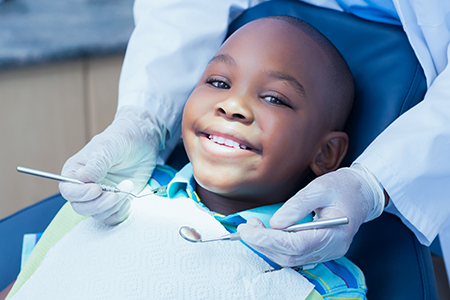
A routine pediatric checkup is more than a quick look—it's a snapshot of growth and oral function. During the visit we review medical history, observe oral hygiene habits, and perform a careful clinical exam of teeth, gums, jaw motion, and bite alignment. This gives a clear picture of current health and any emerging trends that need attention.
Digital radiographs are used selectively and safely to assess what lies beneath the visible surfaces—checking for hidden decay, evaluating root and tooth development, and ensuring the jawbone is healthy. When indicated, these images enable earlier, less invasive treatment decisions and help avoid surprises down the road.
Professional cleanings remove plaque and polished surfaces that daily brushing may miss, and they create a natural teachable moment. We use these appointments to demonstrate effective home care, recommend tools that fit your child's age and motor skills, and set realistic goals for improvement between visits.
Regular exams are the most reliable way to catch small problems before they become larger concerns. Early-stage cavities, emerging bite discrepancies, or habits that can affect development are far easier to manage when detected promptly. Consistent care reduces interruptions to school and family life and keeps treatment simpler and more predictable.
As children move through developmental stages, dental priorities change. Monitoring growth and eruption patterns at predictable intervals lets our clinicians identify when preventive measures are sufficient and when a referral or targeted intervention is the better option. This stepwise approach ensures care is timely and tailored.
Open communication between clinicians and parents is central to effective monitoring. We provide clear explanations of findings, practical next steps, and tools parents can use at home to reinforce what we do at the office—building a team approach around the child’s well-being.
Small changes in routine and diet have outsized effects on dental health. We guide families on how to limit frequent sugar exposure, choose tooth-friendly snacks, and create consistent brushing and flossing habits. These practical strategies are realistic for busy households and focused on sustainable improvement.
Preventive treatments such as fluoride varnish and dental sealants are evidence-based tools we use selectively to protect vulnerable surfaces in growing mouths. When combined with good home care and regular monitoring, these options substantially reduce the risk of cavities and preserve natural tooth structure.
Start dental care early—establish a relationship with a pediatric-friendly dental team
Keep baby and toddler teeth clean with age-appropriate tools and techniques
Avoid letting children fall asleep with bottles containing milk or juice
Bring children in for routine checkups and cleanings on a schedule your dentist recommends
Lead by example—regularly practice brushing and flossing as a family activity
Choose healthy snacks and replace sugary drinks with water whenever possible
Offer gentle support for pacifier or thumb-sucking cessation at the appropriate age
Have a properly fitted mouthguard for children who participate in contact or collision sports

Teething and the first set of primary teeth are important milestones that deserve careful attention. Many parents are surprised to learn that good oral care begins before teeth erupt—cleaning gums after feedings and avoiding prolonged exposure to sugary liquids helps protect newly forming teeth.
The American Academy of Pediatric Dentistry recommends a first dental visit around the time of the first birthday. This early appointment focuses on prevention, parent education, and establishing a comfortable relationship with the dental team. It’s also an opportunity to address teething discomfort and offer safe, practical tips for soothing little ones.
Primary teeth play essential roles in chewing, speech development, and holding space for permanent teeth. Protecting these early teeth from decay preserves a child’s comfort, nutrition, and long-term oral alignment. We emphasize gentle care and family education to keep this phase as positive as possible.
Children’s mouths change quickly, and tracking facial growth and tooth eruption helps determine whether and when orthodontic guidance will be beneficial. Early assessment allows clinicians to recommend timing for interventions that can guide healthy jaw development and prevent more complicated problems later on.
Good nutrition supports more than general health—nutrients like calcium, vitamin D, and phosphorus contribute to strong teeth and bones. We counsel families on balanced dietary choices that support oral development and suggest swaps for common sugary options that increase cavity risk.
Maintaining excellent oral hygiene becomes especially important once orthodontic appliances are in place. For kids who need braces or other treatments, we provide practical tips to protect enamel and prevent issues during orthodontic care, and coordinate with specialists when multidisciplinary planning is needed.
At each visit we evaluate jaw symmetry, bite relationships, and the timing of permanent tooth eruption. If early signs indicate a developing alignment concern, we discuss targeted strategies that may include simple interceptive measures, watchful waiting, or a referral to an orthodontic specialist. Early observation helps families make informed choices without rushing into treatment.
Encouraging a variety of whole foods—vegetables, lean proteins, dairy or fortified alternatives, and water—supports both oral and overall growth. Limiting sticky snacks and frequent sugary beverages reduces the time teeth are exposed to decay-causing acids. Practical mealtime routines and consistent hydration help promote healthier smiles.
When dietary patterns are discussed in the clinic, we tailor guidance to each family’s lifestyle and cultural preferences so recommendations are realistic and easy to adopt. Small, sustainable changes lead to meaningful improvements over time.
Accidents, dental pain, and oral infections can occur despite the best prevention. When urgent issues arise—chipped teeth, a knocked-out tooth, or sudden swelling—timely, informed action preserves outcomes. We provide clear guidance on recognizing emergencies and outline immediate steps families can take before arriving at the office.
Children with medical complexities or sensory sensitivities require individualized planning. We work with parents and caregivers to design visits that accommodate special needs, including longer appointment times, sensory-friendly techniques, and coordinated care plans so each child receives respectful, effective treatment.
Our focus in urgent and complex situations is to resolve pain, protect developing teeth, and return children to their normal routines as quickly and safely as possible. Clear communication and practical follow-up care are integral parts of every emergency visit.
In summary, pediatric dentistry is most effective when prevention, education, and early intervention work together. Our team at Fuller Smiles San Fernando Valley emphasizes gentle clinical care, practical at-home strategies, and attentive monitoring so children build healthy habits and confident smiles that last. Contact us for more information about pediatric dental care and how we can support your family’s oral health journey.

A pedodontist is a dentist who has received advanced specialty training in meeting the dental needs of children from infancy to adolescence. Pedodontists, also referred to as "pediatric dentists," study child psychology, behavior management, caring for children with special needs, methods of handling oral/facial trauma, and various techniques for providing anesthesia and sedation. Pedodontists also understand the complexities of facial growth and development and have the clinical skills required to meet the dental needs of all children at every stage of development. Most of all, pedodontists are passionate about what they do and enjoy working with children. They strive to make every dental experience a positive one as they help children establish a strong foundation for good oral health.
Even before your child is born, their first set of teeth is already forming. In fact, by one year of age, some of your baby's front teeth will have already come into place. While the arrival of your baby's first teeth is only one of many developmental milestones, it represents an excellent time to begin a program of oral care. According to recommendations from the American Dental Association, babies should see the dentist around the time of their first birthdays.
Your baby's first teeth typically begin to appear in the 6 to 12-month range. While this is an extraordinary milestone, you need to be aware that your baby may find the experience a little bit uncomfortable. Teething can make babies feel irritable. They may be fussy, have trouble sleeping, not want to eat, and drool quite a bit.
Although you are powerless to speed up the process of teething, there are a few things that you can do to soothe your baby as the new teeth are erupting into place. Common approaches to helping your baby feel more comfortable while getting new teeth, include teething rings or a cold spoon or moist gauze rubbed over their gums.
Even for these few new teeth, it's absolutely essential to establish an effective regimen of oral care. For information on when your baby's first set of teeth will erupt into place, consult this timeline from the American Dental Association: Eruption Charts
Some children persist in sucking their thumbs or fingers beyond their preschool years. For these children, the activity continues to be a source of comfort, relaxation, and security. It may even help them fall asleep at night. However, it's essential to be aware that in the long-term, a finger sucking habit is not healthy.
If your child's thumb or finger sucking habit is still present when the permanent teeth begin to come in, your child is at a higher risk of developing a bad bite. By the age of five or six years, you need to constructively and gently help your child stop the habit.
It's also a good idea to have a comprehensive evaluation at this time. Your pedodontist can assess if there are any habit related alterations to the alignment of your child's teeth or jaws, or if it is affecting their speech or swallowing patterns. They can also discuss habit control strategies with you, as well as follow your child's bite and facial development as they grow. If interceptive appliances or corrective orthodontic care are recommended, the timetable and best options in care will be explained in complete detail.
The American Academy of Pediatric Dentistry and the American Dental Association recommend a child's first dental visit by age 1 or within six months of the first tooth erupting. Early visits allow the dentist to assess development, identify risk factors, and introduce your child to a friendly dental environment. At Fuller Smiles San Fernando Valley we use the first appointment to answer parental questions, demonstrate home care, and create a prevention plan tailored to your child.
A typical first visit is brief and usually includes a gentle visual exam, guidance on brushing and pacifier use, and practical tips for feeding habits. Digital radiographs are not routinely taken at every visit but may be recommended when necessary to evaluate tooth development. The goal of the initial encounter is to establish comfort and trust so future visits are easier for both child and parent.
For most children a six-month exam and cleaning is recommended to monitor oral development, remove plaque, and catch early signs of decay. Regular visits let the dental team evaluate bite alignment, eruption patterns, and soft tissues while reinforcing good home care habits. During these visits a hygienist or dentist will also provide age-appropriate instruction and answer questions about diet, fluoride, and oral hygiene.
Some children with higher decay risk or special health needs may require more frequent visits and tailored preventive care. Radiographs are taken selectively to investigate suspected problems or to assess the position of developing teeth. Your dentist will create a recall schedule based on your child’s individual needs and growth patterns.
Daily brushing with a soft, age-appropriate toothbrush and a smear or pea-sized amount of fluoride toothpaste is the foundation of cavity prevention. Parents should supervise brushing until children have the coordination to thoroughly clean all tooth surfaces, usually around age 6 to 8. Flossing should begin as soon as adjacent tooth surfaces touch to remove plaque where a brush cannot reach.
Dietary choices also play a major role: limit frequent snacking on sticky, sugary foods and replace sugary drinks with water when possible. Avoid putting a baby to bed with a bottle containing milk or juice to reduce prolonged sugar exposure. Consistent routines, positive reinforcement, and regular dental visits together form the most effective prevention strategy.
Primary teeth typically begin to erupt around six months of age and most children have a full set of primary teeth by about age three. Eruption timing can vary, but the front lower teeth are often the first to appear followed by the upper front teeth. Monitoring eruption helps identify crowding, spacing, or early developmental concerns.
Baby teeth are essential for chewing, clear speech development, and for holding the space needed for permanent teeth. Losing a primary tooth prematurely because of decay or trauma can lead to alignment problems and may require space maintenance. Routine care and timely treatment protect these important early teeth until they are naturally replaced by permanent teeth.
Teething commonly causes increased drooling, gum sensitivity, irritability, and temporary changes in eating or sleeping patterns. These symptoms are a normal part of tooth eruption and usually resolve as the tooth emerges. Gentle gum massage with a clean finger or a chilled (not frozen) teething ring can provide safe relief for most infants.
A cold washcloth or chilled spoon applied briefly to the gums may soothe discomfort, and offering small, soft foods can help if eating is uncomfortable. Avoid topical numbing gels and medications unless expressly recommended by your dentist or pediatrician. If symptoms are severe, prolonged, or accompanied by high fever, contact your dental or medical provider for evaluation.
Dental sealants are a thin protective coating applied to the chewing surfaces of permanent molars and premolars to block bacteria and food particles from settling into deep grooves. Sealants are applied painlessly in the dental office and can significantly reduce the risk of decay on vulnerable back teeth. The dentist will recommend sealants when permanent molars emerge and when they are most likely to provide benefit.
Professional fluoride treatments strengthen enamel and help teeth resist acid produced by bacteria, while daily fluoride toothpastes contribute to enamel health at home. The dental team will balance topical fluoride use with your child’s risk factors and age to support safe, effective prevention. Together, sealants and fluoride form complementary measures that reduce cavity risk and preserve tooth structure.
Sucking is a normal self-soothing behavior in infants and young toddlers and typically decreases on its own as children mature. Most children stop thumb or finger sucking between ages 2 and 4 without intervention, and early habits rarely cause lasting dental issues. Parents should focus first on positive encouragement rather than punishment to help a child stop sucking.
If the habit persists past age 4 to 6 or if it begins to affect the position of the teeth or the shape of the palate, it is appropriate to seek professional guidance. The dental team can assess any dental changes and recommend strategies, appliances, or referrals to help break the habit. Early, gentle intervention is often effective and helps prevent more extensive orthodontic needs later on.
Common pediatric dental emergencies include a knocked-out tooth, a fractured tooth, severe tooth pain, or soft tissue injuries to the lips and tongue. For a knocked-out permanent tooth, quick action within minutes can improve the chance of saving the tooth; handle the tooth by the crown, avoid touching the root, rinse gently, and keep it moist. For other injuries, apply gentle pressure with a clean cloth to control bleeding and use a cold compress to reduce swelling as you seek care.
Contact your dental office right away for direction and to arrange prompt evaluation; many offices have procedures for urgent pediatric care. Bring any broken tooth fragments, and be prepared to describe how the injury occurred and any symptoms your child is experiencing. Timely professional attention minimizes complications and supports the best possible outcome for your child’s oral health.
The American Association of Orthodontists recommends that children have an orthodontic evaluation by age 7 so clinicians can identify developing problems early. At this age permanent teeth and jaw growth patterns can be assessed to determine whether interceptive treatment might simplify later care. Early evaluation does not always mean immediate treatment, but it allows timely monitoring and planning.
Some conditions, such as significant crowding, crossbites, or jaw discrepancies, benefit from early intervention to guide growth and reduce complexity later. Your dentist will advise if an orthodontic referral is appropriate and will coordinate care with orthodontic specialists as needed. Regular dental checkups create opportunities to reassess growth and act when the timing for treatment is optimal.
A balanced diet rich in vitamins, minerals, lean proteins, fruits, and vegetables supports healthy tooth and jaw development during childhood. Frequent exposure to sugary, sticky snacks and drinks increases the risk of tooth decay because sugars feed oral bacteria that produce acid. Encouraging water, whole foods, and regular mealtimes helps reduce prolonged acid exposure and protects enamel.
Calcium and vitamin D are particularly important for developing strong teeth and supporting bone health, while crunchy fruits and vegetables can help stimulate saliva and mechanically clean tooth surfaces. Limiting nighttime bottles with milk or juice and avoiding constant snacking are simple, effective steps families can take to support both oral health and overall nutrition. Your dental team can provide specific guidance tailored to your child’s growth and dietary needs.
Take a smiling selfie and we’ll show you what Invisalign® treatment can do for you. Sometimes insurances can cover upto $2500 of invisalign treatment. Call our office or follow the link to find out.