Smile Visualization
Take a smiling selfie and we’ll show you what Invisalign® treatment can do for you. Sometimes insurances can cover upto $2500 of invisalign treatment. Call our office or follow the link to find out.

Gum disease is more than an inconvenience — it’s the leading cause of adult tooth loss and a common, often silent, threat to long-term oral health. Recent public-health data show periodontal conditions are widespread among adults, but with early detection and consistent care, most cases can be managed or prevented. At Fuller Smiles San Fernando Valley, our approach focuses on clear diagnosis, evidence-based treatment, and practical strategies patients can use every day to protect their smiles.
Periodontal disease starts when bacterial plaque builds up at the gumline. Over time that sticky film hardens into tartar and the bacteria beneath it trigger inflammation in the tissues that hold your teeth in place. This inflammatory response is what clinicians call periodontal disease, and it affects both the soft gum tissue and the underlying bone.
Because the early stages are often painless, many people only notice a problem once tissue damage has occurred. Regular dental exams and periodontal screenings let clinicians detect subtle signs—like pocket formation or early bone loss—before the condition advances. Early action makes treatment simpler and more predictable.
Understanding this process helps explain why prevention matters. Removing plaque and tartar, controlling inflammation, and maintaining healthy habits at home are the foundation of keeping periodontal disease from progressing to more destructive stages.
Signs that deserve a dental checkup:
Gums that look swollen, red, or otherwise inflamed
Bleeding during brushing, flossing, or spontaneously
Gradual gum recession or exposed root surfaces
Increased sensitivity to temperature or sweets
Persistent bad breath or an unpleasant taste
Any looseness or shifting of teeth
Visible gaps forming between teeth or bite changes
Partial dentures that suddenly fit differently
Pus or other discharge at the gumline
Discomfort when biting or chewing

The mouth is not isolated from the rest of the body. Chronic gum inflammation creates a sustained immune response that researchers have linked to conditions such as diabetes, cardiovascular disease, and certain respiratory issues. Controlling periodontal inflammation can therefore contribute to improved systemic health, especially for patients with preexisting conditions.
This connection is why dentists and hygienists do more than clean teeth; they assess risk, monitor systemic factors that affect healing, and advise on habits that support recovery. Good periodontal care complements medical care and can help reduce the burden of chronic inflammation.
At the core, prevention and early treatment reduce the likelihood of complex interventions down the road. Our practice emphasizes education, measurable progress at recalls, and cooperation with your medical providers when necessary to support overall well-being.
Gingivitis is the earliest stage of periodontal disease. It’s the body’s inflammatory response to plaque accumulation and is usually limited to the soft gum tissue. Signs typically include redness, tenderness, and bleeding during routine oral hygiene, but the underlying attachment and bone are not yet lost.
The encouraging news is that gingivitis is reversible. With professional cleaning to remove hard deposits and a focused improvement in at-home care — effective brushing, consistent flossing or interdental cleaning, and targeted antimicrobial rinses when appropriate — the tissues can recover and return to a healthy state.
Follow-up is essential: a single treatment won’t guarantee lasting health. Regular maintenance visits allow your dental team to monitor healing, reinforce technique, and intervene early if inflammation returns.

If gingivitis is not controlled, it can progress to periodontitis. At this stage, the inflammation extends deeper and begins to damage the connective tissues and bone that secure teeth. Pockets form between the gum and tooth, allowing bacteria to persist below the gumline and complicating cleaning efforts.
Clinically, periodontitis may present as deeper probing depths, radiographic bone loss, and mobility of teeth. Treatment shifts from solely reversing inflammation to halting tissue destruction, reducing pocket depths, and where possible, stabilizing or regenerating lost tissue.
Strategies for managing periodontitis are chosen based on severity, patient health, and treatment goals. In many cases a combination of mechanical cleaning, medication, and targeted surgical or regenerative therapy is used to restore supportive tissues and improve the long-term prognosis of affected teeth.
Effective periodontal care is tailored to each patient’s needs. That starts with a comprehensive examination — periodontal probing, charting, and imaging — to understand the extent of disease. From that assessment, we build a phased plan that balances conservative measures with any advanced interventions that may be necessary.
Our team focuses on preserving natural teeth and restoring a healthy environment for long-term maintenance. That may mean intensive non-surgical therapy followed by regular periodontal maintenance visits, or, when indicated, regenerative procedures to rebuild lost tissue.
Fuller Smiles San Fernando Valley combines clinical expertise with technology to help patients regain comfort, function, and confidence in their smiles while prioritizing predictable outcomes and ongoing prevention.
Treatment begins with a clear diagnosis and a discussion of realistic goals. In mild-to-moderate cases, non-surgical therapy such as scaling and root planing — thorough cleaning below the gumline — often restores health when paired with improved home care. Antiseptic or antibiotic therapies can be used selectively to reduce bacterial load and support healing.
When pockets remain deep or when structural damage is significant, surgical approaches may be required. These procedures allow direct access to thoroughly clean root surfaces, reshape tissues, and, where appropriate, place grafts or regenerative materials to encourage tissue regeneration.
Alongside in-office treatment, ongoing maintenance is critical. Regular periodontal maintenance visits, tailored home-care routines, and periodic reassessment are how long-term stability is achieved and how future problems are minimized.
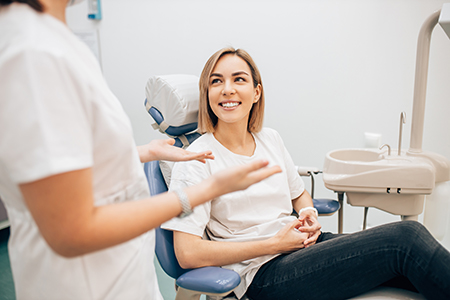
Non-surgical care is the first line of defense. Scaling and root planing removes tartar and bacteria from beneath the gumline and smooths root surfaces to discourage reaccumulation. In many cases, this work combined with improved daily cleaning halts disease and leads to measurable improvements.
Adjunctive therapies — including local antimicrobial agents or systemic medications when indicated — can enhance results for certain patients. The goal is to reduce bacterial activity and allow the tissues to reattach and heal.
Success depends on regular monitoring and a commitment to home care. When non-surgical approaches are effective, they reduce the need for more invasive procedures while maintaining periodontal health.
Surgical options are used when pockets are too deep for non-surgical instruments or when regenerative needs are present. Flap surgery provides direct access for thorough cleaning, tissue recontouring, and repair. In many cases, bone or tissue grafts are used to rebuild lost support and improve long-term stability.
Advances in technology have also introduced laser-assisted procedures that can reduce pocket depth and treat infected tissues with minimal trauma in selected cases. Combined with careful planning, these techniques aim to restore form and function while minimizing recovery time.
Regardless of technique, the objectives remain the same: remove infection, arrest tissue breakdown, re-establish a healthy environment for the teeth, and make future maintenance manageable for the patient.
Remove pathogenic bacteria from beneath the gumline and clean root surfaces
Stop further bone loss and restore tissue contours when possible
Reduce pocket depth to make daily cleaning and professional maintenance more effective
Periodontal care is a long-term partnership between you and your dental team. If you’re noticing any warning signs or if it’s been a while since your last periodontal screening, contact us for more information about evaluation and treatment options. Our team is available to answer your questions and help you protect your oral health.
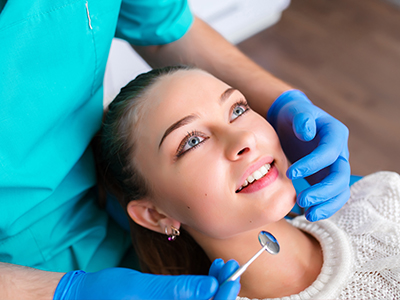
Most people don’t realize that periodontal disease is the leading cause of tooth loss among adults. According to statistics from the Centers for Disease Control and Prevention, one out of every two adults over the age of 30 in the United States has periodontal disease.
You may be surprised to learn that the human mouth is home to a wide variety of microbes. The fact is that over 700 different strains of bacteria have been detected in the oral cavity. Although some of these bacteria are beneficial, others are harmful to oral health. Without proper oral hygiene and routine dental care, these harmful bacteria can cause tooth decay and gum disease, compromising both your oral health and overall wellbeing.
In addition to inadequate oral hygiene and infrequent professional care, other factors, including smoking, genetic tendencies, and unchecked diabetes, can contribute to the escalation of periodontal disease.
Your gums and teeth have an interdependent relationship, which means healthy teeth depend on the support of healthy gums. Also, taking care of your smile does more than keep your teeth and gums in optimal condition; good oral health also supports systemic health. In addition to being the leading cause of tooth loss in adults, researchers are finding more and more links between periodontal disease and a number of medical problems, including heart disease, stroke, diabetes, respiratory problems, and adverse pregnancy outcomes such as pre-term and low birth-weight babies.
If you notice that your gums are bleeding with the slightest pressure while brushing or flossing, it’s a sign of gingivitis. Although gingivitis is the earliest stage of gum disease, it can easily be reversed with deeper cleanings as well as an improved regimen of oral hygiene at home.
In the absence of professional treatment and better home care, gingivitis progresses to the next stage, which is known as periodontitis. In this stage, the connective tissue and bone that hold the teeth in place begin to break down with an increase in pocketing between the teeth and bone, gum recession, and bone loss. Without proper treatment by your dentist, periodontitis will progress from a mild to moderate loss of supporting tissue to the destruction of the bone around the teeth.
Although gingivitis can often be reversed with improved oral hygiene and professional cleanings, as periodontal disease advances, more extensive procedures are required to halt its progression. Based on a complete assessment of your periodontal health and a review of possible contributing factors, our office will recommend the best options in care. Treatment for periodontitis may include a series of deeper cleanings known as root planing and scaling, surgical procedures to reduce pocket depth, bone or tissue grafts, laser procedures, or antimicrobial medications.
The cost of care depends on the type of procedures required to restore your periodontal health. If you have dental insurance, plans often cover treatment to prevent gum disease as well as many procedures to treat the various stages of gum disease. Our goal is to help patients restore and maintain good oral health. We do all we can to help you begin care without additional stress or delay. Our business office works with you to maximize your benefits and provide easier, more convenient payment options.
By seeing our office regularly for care and doing your best to eat a healthy diet and practice good oral hygiene, you can keep your smile in tip-top shape as well as protect your overall wellbeing.
At the office of Fuller Smiles San Fernando Valley, we provide a comprehensive range of services to address all your oral healthcare needs. You can rest assured that your smile is in the best of hands at our office. Our skilled and experienced team maintains a position at the forefront of advances in care and remains dedicated to providing the highest quality of skilled and compassionate treatment.
Periodontal disease, often called gum disease, is an inflammatory condition that affects the gums and the supporting structures around the teeth. It begins when plaque, a sticky film of bacteria, accumulates along the gumline and hardens into tartar if not removed. The body’s immune response to these bacteria causes inflammation that, over time, can damage gum tissue and the underlying bone.
Progression is usually gradual and can be painless, which is why many people are unaware they have a problem. Factors such as smoking, uncontrolled diabetes, certain medications, and genetic susceptibility can accelerate tissue breakdown. Early detection and professional care are critical to halt progression and preserve oral health.
Early signs of gum disease include gums that are red, swollen, or that bleed during brushing and flossing. You may also notice persistent bad breath or a metallic taste in your mouth, which can indicate ongoing bacterial activity. These symptoms often appear before pain or loose teeth develop.
Other indicators include receding gums, increased tooth sensitivity, and changes in how partial dentures or dental restorations fit. Because symptoms can be subtle, regular dental exams are essential for identifying disease at a reversible stage. If you notice any of these signs, schedule an evaluation promptly.
Gingivitis is the initial, reversible stage of gum disease where inflammation is limited to the gum tissue and the attachment to the tooth remains intact. With proper professional cleaning and improved oral hygiene, gingivitis can typically be resolved without permanent damage. It commonly presents with red, tender gums and bleeding on brushing.
Periodontitis occurs when gingivitis is left untreated and the infection advances to affect the connective tissues and bone supporting the teeth. As pockets form and bone loss progresses, treatment becomes more complex and may require surgical intervention to restore health. Early intervention limits destruction and improves the prognosis for saving natural teeth.
Non-surgical treatment focuses on removing bacterial deposits from below the gumline and creating an environment where healing can occur. The cornerstone procedure is scaling and root planing, which mechanically cleans root surfaces and removes tartar and biofilm. Adjunctive therapies may include localized antimicrobial agents or short courses of systemic antibiotics when indicated.
Following these procedures, patients are placed on a tailored maintenance schedule that usually includes more frequent professional cleanings and monitoring. Instruction on effective home care—proper brushing, interdental cleaning, and, when appropriate, antiseptic rinses—is equally important for long-term success. Many cases are stabilized with these conservative approaches when diagnosis and treatment occur early.
Surgery is considered when periodontal pockets are deep or when there is significant bone loss that cannot be managed with non-surgical care alone. Common surgical procedures include flap surgery to access and clean deep pockets, bone grafting to rebuild lost support, and soft tissue grafts to address recession. The goal of surgery is to reduce pocket depth, remove infection, and create conditions that allow for improved oral hygiene.
Modern surgical protocols aim to be as conservative as possible and may be combined with regenerative techniques to promote tissue recovery. Treatment planning takes into account the patient’s medical history, the extent of disease, and restorative needs, including plans for dental implants when appropriate. With proper post-operative care and maintenance, surgery can significantly improve long-term outcomes.
Laser systems and other advanced tools can be used to disinfect periodontal pockets, remove diseased tissue, and help reduce pocket depth with less invasiveness than some traditional surgeries. Lasers may also be useful in treating peri-implantitis and in reshaping gum tissue for improved aesthetics and hygiene access. These technologies are adjuncts to, not replacements for, comprehensive periodontal therapy and clinical judgment.
Digital imaging, intraoral cameras, and CBCT scans support precise diagnosis and treatment planning by revealing bone levels and anatomic detail that are not visible on visual exam alone. The practice of combining diagnostic technologies with evidence-based clinical techniques helps tailor care to each patient’s needs. Patients should discuss the potential benefits and limitations of laser and digital approaches with their provider.
Research has shown associations between periodontal disease and systemic health conditions such as diabetes, cardiovascular disease, and respiratory illnesses, which highlights the importance of oral inflammation control. Treating periodontal disease reduces local inflammation and bacterial load, which can positively affect systemic health markers in some patients. While periodontal care is not a cure for systemic conditions, it is an important component of comprehensive health management.
For patients with diabetes or other chronic conditions, coordinated care between dental and medical providers can improve outcomes and reduce complications. Fuller Smiles San Fernando Valley emphasizes communication and collaboration with patients' physicians when relevant to ensure safe, integrated care. Maintaining periodontal health supports overall well-being and can reduce risks associated with unmanaged oral inflammation.
Before any periodontal procedure, your clinician will complete a thorough assessment that may include charting, probing depths, radiographs, and a review of medical history and medications. Patients should disclose any systemic health conditions, recent surgeries, or medications such as blood thinners so the team can plan safely. Pre-procedure instructions may include antimicrobial rinses or temporary medication adjustments as directed by your provider.
Recovery varies by procedure but commonly involves managing mild discomfort, controlling swelling with ice and prescribed medications, and following a soft diet for a short period. Good oral hygiene and adherence to post-operative instructions—including scheduled follow-up and maintenance visits—are essential for healing and long-term success. Fuller Smiles San Fernando Valley provides clear aftercare guidance and will schedule timely checkups to monitor recovery.
Effective home care is the foundation of periodontal maintenance and includes thorough twice-daily brushing with a fluoridated toothpaste and daily interdental cleaning with floss or interdental brushes. Using an antiseptic mouthrinse can help control bacterial levels, particularly in areas that are difficult to clean. Smoking cessation and controlling systemic factors like blood sugar are also critical to reducing recurrence risk.
Regular periodontal maintenance appointments—usually more frequent than routine cleanings—allow your clinician to remove hard-to-reach deposits and monitor pocket depths over time. Your dental team will personalize the recall interval and hygiene recommendations based on disease severity and response to treatment. Consistency with these measures is the best strategy to protect your smile long term.
Periodontal health is fundamental to the success of dental implants and other restorative work because inflammation and bone loss can compromise support and integration. Effective periodontal treatment and maintenance reduce risks to adjacent teeth and implants by controlling bacterial infection and stabilizing tissue levels. Treating peri-implantitis early is essential to preserve implant function and may involve many of the same principles used for natural tooth periodontitis.
When planning restorative or implant therapy, your provider will evaluate periodontal status and may recommend pre-restorative periodontal care to optimize soft tissue contours and bone support. Ongoing maintenance around implants and restorations includes meticulous home care and professional monitoring for signs of inflammation or loosening. Coordination between restorative and periodontal teams improves long-term outcomes and helps maintain both function and aesthetics.
Take a smiling selfie and we’ll show you what Invisalign® treatment can do for you. Sometimes insurances can cover upto $2500 of invisalign treatment. Call our office or follow the link to find out.