Smile Visualization
Take a smiling selfie and we’ll show you what Invisalign® treatment can do for you. Sometimes insurances can cover upto $2500 of invisalign treatment. Call our office or follow the link to find out.

For many people, the thought of a dental visit triggers more than mild discomfort — it can cause genuine fear. If anxiety or past negative experiences have kept you from getting routine care or important treatment, our team can help you reclaim your oral health with compassionate options to reduce stress during appointments. Sedation dentistry is a proven way to make dental care accessible, calm, and manageable for patients who need an extra layer of comfort.
When fear prevents regular checkups or forces you to postpone treatment, small problems can grow into larger concerns. Sedation is not a shortcut; it’s a tool that helps patients tolerate necessary procedures safely and comfortably. By lowering anxiety and increasing tolerance for treatment, sedation supports better outcomes and a more positive relationship with dental care.
Our approach centers on patient safety, clear communication, and individualized planning. We’ll review your medical history, explain each sedation option in plain language, and recommend the most appropriate method for your needs. The goal is a calm, controlled experience so you can focus on the results — a healthier, more confident smile.
Fuller Smiles San Fernando Valley brings clinical expertise and a patient-first philosophy to sedation dentistry. Whether you need a little help relaxing for a single filling or a more controlled approach for extensive care, our team is trained to provide sedation responsibly and respectfully.
Sedation dentistry reduces the body’s natural stress response so patients feel relaxed, comfortable, and more cooperative during procedures. Rather than masking pain alone, sedation targets anxiety and nervousness — the emotional barriers that often make dental visits difficult. This creates a calmer environment where the dentist can perform care more efficiently and with less interruption.
Different sedation methods operate on a spectrum, from minimal relaxation to a deeper, monitored state of sedation. Many patients describe the experience as pleasant and dreamlike; they remain responsive to voice commands while feeling little or no memory of the procedure afterward. This combination of comfort and awareness allows for safe, effective treatment without the upheaval of general anesthesia in most cases.
Sedation also benefits certain clinical situations beyond anxiety alone. Patients undergoing long, complex procedures, or those who have trouble holding still because of physical or developmental challenges, can receive complete care in fewer visits. For medically appropriate candidates, sedation enables dentists to deliver higher-quality treatment in a single, well-managed appointment.
Sedation is recommended when anxiety, sensitivity, or medical conditions interfere with treatment. Common reasons include a pronounced fear of dental care, a strong gag reflex that disrupts procedures, or an inability to remain still for the length of a necessary appointment. Sedation helps patients tolerate care that would otherwise be postponed or avoided.
It is also a practical option for people facing multiple or prolonged treatments who prefer to consolidate appointments. Instead of scheduling numerous short visits, a sedated session can allow for more restorative work in a single visit, reducing the stress of repeated dental encounters while maintaining safety and comfort.
Parents of young children and caregivers of patients with special needs often find sedation invaluable when routine care cannot be completed without distress. Each patient’s suitability depends on their overall health, medications, and specific dental requirements; we review these factors carefully to determine whether sedation is appropriate and to select the safest approach.

Choosing sedation is a collaborative decision between the patient and the dental team. We consider the patient’s anxiety level, medical background, the complexity of the planned treatment, and whether a patient can tolerate standard chairtime. When these factors point toward potential difficulty, sedation becomes a practical and compassionate option.
Patients who report panic-level anxiety, have had traumatic dental experiences, or who demonstrate extreme sensitivity to touch and sound often benefit most. Additionally, those with certain medical or psychological conditions that make cooperation difficult can receive appropriate dental services under careful sedation and monitoring.
Safety is always the priority. Before any sedation appointment, we perform a thorough evaluation, including a review of current medications and health conditions. For some patients, consultation with a physician or additional monitoring may be recommended to ensure the chosen sedation method is safe and effective.
Sedation options range from mild anxiolytics to deeper intravenous techniques. The practice of selecting a method is driven by the patient’s needs and the anticipated length and invasiveness of the procedure. Below, we outline the common approaches used in dental offices and explain how each one works in everyday terms.
Conscious sedation allows patients to remain responsive and breathe independently while entering a relaxed, semi-awake state. It is typically administered in a dental office and monitored by trained professionals. This differs from general anesthesia, which produces an unconscious state typically managed in a hospital setting by an anesthesiologist and reserved for cases where other methods are insufficient.
For most dental procedures, conscious sedation provides an effective balance of safety and comfort. Our team focuses on keeping cardiovascular and respiratory function stable while adjusting sedation levels as needed. If a case requires general anesthesia, we coordinate care with specialists to ensure the highest standards of monitoring and recovery.
Conscious sedation can be delivered in a few common formats. Each method has distinct advantages depending on the patient’s anxiety level, medical profile, and the anticipated length of the procedure. Below are the techniques we commonly discuss with patients, with practical notes on what to expect before, during, and after treatment.
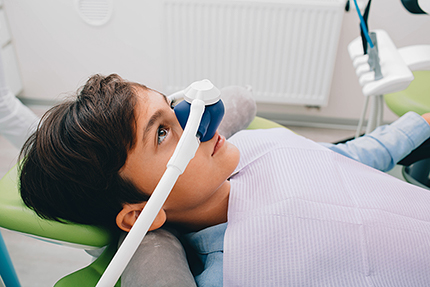
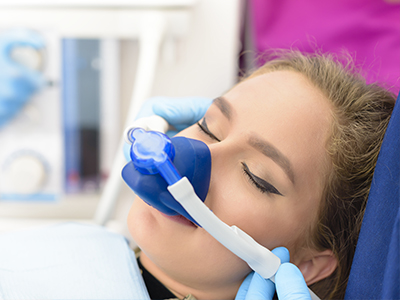
Nitrous oxide, often called “laughing gas,” is a mild sedative inhaled through a small mask. It reduces anxiety quickly and wears off almost immediately after the mask is removed, allowing patients to leave the office without a lengthy recovery period. It’s an excellent option for mild to moderate anxiety and for managing a strong gag reflex during treatment.
Oral sedation involves a prescribed medication taken before the appointment to create a deeper sense of relaxation. Patients typically remain awake but very drowsy and may have limited memory of the procedure. Because oral sedatives can impair driving and coordination, arrangements for a responsible escort to accompany the patient to and from the office are required.
IV sedation delivers medication directly into the bloodstream for rapid, controllable effects. This approach is suited to longer or more complex treatments and allows the dental team to adjust sedation levels easily during the procedure. Patients are closely monitored throughout and will need an escort home after the appointment; fasting instructions are typically provided beforehand for safety.
Because IV sedation provides deeper relaxation than other in-office methods, thorough preoperative instructions and monitoring protocols are followed to protect patient health and ensure a smooth recovery.
Preparation varies by the sedation method chosen. For inhaled nitrous oxide, patients can typically eat and drive as usual afterward. For oral or IV sedation, patients receive specific instructions such as fasting for a certain period and arranging transportation home. We provide clear, written guidance so patients know exactly how to prepare and what to expect.
Aftercare includes a brief recovery period in the office and discussion of any post-procedure instructions. Patients are often advised to avoid strenuous activity for the remainder of the day and to follow standard oral hygiene guidance to support healing. Our team stays in contact to answer follow-up questions and ensure recovery proceeds smoothly.
Sedation dentistry opens the door to safe, effective dental care for patients who might otherwise avoid treatment. With careful evaluation, personalized planning, and attentive monitoring, sedation can transform dental visits from a source of dread into a manageable, even positive experience.
Fuller Smiles San Fernando Valley is committed to helping patients access the care they need with compassion and expertise. Contact us to learn more about how sedation dentistry could make your next visit easier and more comfortable.
Sedation dentistry offers patients with general anxiety or fears about a dental procedure the opportunity to have a more comfortable and stress-free experience. By utilizing safe and controlled sedation techniques, the patient is eased into a state of complete relaxation before the procedure. This approach eliminates discomfort, pain, and preoperative anxiety, and typically makes patients feel more at ease post-operatively, as they have little or no memory of the actual moment-to-moment procedure.
Local anesthesia involves an injection directly into or close to the area where a procedure is being performed. While it eliminates any sensation of pain in the targeted area, it does not affect your state of mind or level of anxiety. When a patient receives sedation, additional medications to ease anxiety and promote relaxation are employed in advance of local anesthesia. In this way, both the stress and discomfort associated with a procedure are eliminated. Sedation can be administered in a variety of forms based upon patient needs and the recommendations of the dentist or dental anesthesiologist.
Choosing the most appropriate method of sedation for a procedure depends on a variety of factors such as a patient's medical history and their level of anxiety. Dental sedation can come in the form of nitrous oxide sedation, oral conscious sedation, and IV sedation. Certain patients receiving comprehensive treatment or undergoing a complex surgical procedure may require general anesthesia in a hospital setting.
Nitrous oxide, or "laughing gas," is a mild sedative, which is inhaled through a small mask over the nose. A standard in dental sedation for decades, the effects of nitrous oxide are almost immediate and wear off quickly once your procedure is completed.
Oral sedation involves the prescription of an oral medication prior to your appointment. Taken at the recommended time before your visit, oral sedation allows you to feel fully relaxed by the time you're ready for your procedure. With oral sedation, it's necessary to plan on having an escort to and from your dentist's office.
IV Sedation is administered intravenously, or directly into a vein. It is typically indicated when a deeper state of sedation is required. Your dentist will provide you with specific instructions before your visit, and require that you have an escort for the trip home from your appointment.
Sedation dentistry uses safe, controlled medications to help patients relax during dental procedures while local anesthesia numbs the treatment area. It is intended for people who experience significant anxiety, have a strong gag reflex, require extensive treatment in a single visit, or have difficulty sitting still for care. Sedation can reduce awareness of the procedure and often results in minimal memory of the visit without eliminating the ability to respond to verbal cues when conscious sedation is used.
The goal of sedation is to improve comfort and allow the dental team to provide efficient, thorough treatment in a calmer environment. Different levels of sedation range from mild relaxation with nitrous oxide to deeper states achieved with oral or IV sedatives, and selection is tailored to each patient's needs and medical history. Your dental provider will review options and recommend the safest approach for the planned procedure.
Local anesthesia blocks pain in a specific area of the mouth but does not affect anxiety or awareness; it allows patients to remain fully conscious while preventing pain at the treatment site. Sedation dentistry adds medications that reduce anxiety and create relaxation while local anesthesia still controls pain in the targeted area. This combination helps patients stay comfortable without the deep unconsciousness associated with general anesthesia.
General anesthesia induces a medically controlled state of unconsciousness and is typically provided in a hospital setting by an anesthesiologist for patients who cannot tolerate any other form of care. Conscious sedation used in the dental office maintains spontaneous breathing and cardiovascular stability, and patients are usually able to respond to verbal commands. The dental team will explain which approach is appropriate based on the complexity of the procedure and the patient’s health history.
The most common forms of sedation in dental offices are inhalation sedation (nitrous oxide), oral sedation, and IV sedation, each offering different levels of relaxation and control. Nitrous oxide provides mild to moderate relief quickly and wears off soon after the gas is stopped, making it useful for shorter procedures or patients with mild anxiety. Oral sedation involves prescription medication taken before the appointment and typically produces moderate relaxation with residual drowsiness after the visit.
IV sedation delivers sedative medications directly into a vein and can produce deeper, more rapidly adjustable levels of sedation for complex or lengthy procedures. The dental team selects the type of sedation based on the patient’s medical history, level of anxiety, and the anticipated duration and invasiveness of treatment. In rare cases where no office-based method is sufficient, general anesthesia in a hospital setting may be recommended.
Candidates for sedation dentistry include patients with dental phobia, severe anxiety about specific procedures, a powerful gag reflex, or those who require extensive dental work that would be difficult to complete in multiple visits. Sedation is also helpful for individuals with physical or cognitive challenges that make it difficult to remain still during treatment. Eligibility is determined after a thorough medical and dental evaluation that considers current medications, medical conditions, and past reactions to sedatives.
Not every patient is an appropriate candidate for every type of sedation; some medical conditions or medications may limit certain options. The dental team will discuss risks and benefits and may coordinate with the patient’s physician when necessary to ensure a safe sedation plan. The chosen approach aims to balance comfort, safety, and the clinical needs of the procedure.
Sedation dentistry is generally safe when administered by trained clinicians who follow established protocols, screen patients carefully, and monitor vital signs throughout the procedure. Safety measures typically include a pre-sedation health assessment, adherence to fasting instructions when required, and continuous monitoring of breathing, oxygenation, blood pressure, and heart rate during treatment. The dental team is prepared to manage potential side effects and emergencies and uses dosing strategies appropriate for each patient.
Certain health conditions or interactions with medications can increase risk, which is why candidacy and the choice of sedative are individualized. Patients should provide a complete medical history, list of medications, and any prior experiences with sedation so the team can make informed decisions. Proper monitoring and recovery protocols help minimize risks and support a smooth return to baseline after the appointment.
Preparation varies by sedation type, but common steps include completing a health questionnaire, disclosing all medications and supplements, and following any fasting or premedication instructions provided by the dental team. For IV sedation or deeper oral sedation, patients are typically advised not to eat or drink for a specified period before the appointment, and they must arrange for a responsible adult to escort them to and from the office. Clear communication about current health conditions, pregnancy status, and prior reactions to sedatives is essential.
The dental staff will also explain what to expect during arrival, monitoring, and recovery, and they may provide written instructions to ensure safety. Patients should wear comfortable clothing and avoid driving, operating heavy machinery, or making important decisions for the remainder of the day after deeper sedation. Following pre-appointment guidelines helps reduce complications and ensures the appointment runs smoothly.
During conscious sedation, patients typically feel deeply relaxed and may have limited memory of the procedure while remaining responsive to verbal commands; vital signs are monitored continuously. Nitrous oxide wears off quickly after it is stopped, allowing many patients to resume normal activity shortly after the visit, whereas oral and IV sedatives often produce lingering drowsiness that requires additional recovery time. Throughout the appointment the dental team monitors breathing, oxygen saturation, and cardiovascular status to maintain safety.
After deeper sedation, patients remain under observation until they meet recovery criteria for discharge, and an escort is required to transport them home safely. The team will provide post-operative care instructions, discuss expected side effects such as mild grogginess or dry mouth, and explain when to seek follow-up care. Patients should plan to rest for the remainder of the day and avoid alcohol or sedative medications unless advised otherwise.
Common short-term side effects of sedation can include drowsiness, nausea, dry mouth, and temporary lightheadedness, and these effects typically resolve within hours after the procedure. More serious but uncommon risks involve respiratory depression, allergic reactions, or cardiovascular changes, which is why careful pre-procedure screening and monitoring are essential. The dental team tailors sedative choice and dosing to minimize risk and prepares to manage complications should they arise during treatment.
Open communication about medical history, current medications, and prior responses to sedatives helps reduce the likelihood of adverse events. Patients should follow fasting and medication instructions precisely and report any unusual symptoms during recovery. The combination of appropriate patient selection, professional monitoring, and emergency preparedness supports a favorable safety profile for in-office sedation.
Patients receiving sedation are monitored continuously using clinical observation and objective measures such as pulse oximetry, blood pressure checks, and heart rate monitoring, with more advanced monitoring used for deeper levels of sedation. Trained staff assess responsiveness, breathing, and circulation throughout the procedure, and equipment is on hand to support airway management if needed. Documentation of vital signs at regular intervals helps the team detect and address any changes promptly.
The level of monitoring corresponds to the depth of sedation; for IV sedation, monitoring is more intensive and includes readiness to modify medication levels quickly. The dental team also follows recovery protocols to ensure that patients return to a safe level of consciousness before discharge. Proper monitoring is a key element of safe sedation practice and patient reassurance.
The office of Fuller Smiles San Fernando Valley emphasizes patient comfort and safety by offering individualized sedation plans and experienced clinical supervision to support successful outcomes. The dental team evaluates each patient’s health history and treatment needs, explains the available sedation options, and provides clear pre- and post-procedure instructions to ensure a smooth experience. Their approach focuses on combining effective local anesthesia with appropriate sedation to reduce anxiety and facilitate comprehensive care.
Patients who have avoided dental care due to fear or who require extensive treatment can often complete necessary work more comfortably with a tailored sedation strategy. The practice maintains monitoring and safety protocols to minimize risk and help patients regain confidence in dental visits. Those considering sedation are encouraged to discuss concerns and questions during a consultation so the team can design the safest plan for their needs.
Take a smiling selfie and we’ll show you what Invisalign® treatment can do for you. Sometimes insurances can cover upto $2500 of invisalign treatment. Call our office or follow the link to find out.