Smile Visualization
Take a smiling selfie and we’ll show you what Invisalign® treatment can do for you. Sometimes insurances can cover upto $2500 of invisalign treatment. Call our office or follow the link to find out.

Sleep is more than rest — it's a foundation for your mood, memory, cardiovascular health, and daytime performance. When breathing repeatedly stops or becomes shallow during sleep, the body and brain fail to get the oxygen they need, and quality of life can suffer. Millions of adults and their partners are affected by noisy, fragmented sleep each night. At Fuller Smiles San Fernando Valley, our approach focuses on identifying sleep-related breathing problems early and offering dental-centered solutions that work with your broader medical care.
Obstructive sleep apnea (OSA) occurs when soft tissues in the throat relax and collapse into the airway during sleep, temporarily blocking airflow. These pauses, called apneas, can last several seconds and may happen dozens or even hundreds of times per night. Each event disrupts the natural sleep cycle and reduces oxygen levels, forcing brief awakenings that the patient often doesn’t remember.
The body’s response to repeated interruptions is complex: surges in stress hormones, elevated blood pressure, and disrupted restorative sleep stages all contribute to daytime fatigue and longer-term health risks. While OSA is the most common sleep-disordered breathing condition seen in adults, symptoms and severity vary widely from person to person.
Because the anatomy of the jaw, tongue, and airway plays a critical role, dental professionals trained in sleep medicine can screen for OSA risk and provide treatments that directly address the oral and mandibular factors that contribute to airway narrowing.
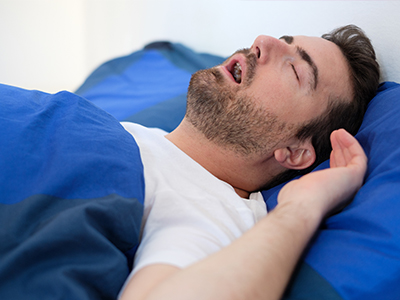
Many people first learn they have a sleep problem from a bed partner who hears loud, persistent snoring, gasping, or observed pauses in breathing. Nighttime signs to watch for include choking or gasping, disruptive snoring, frequent awakenings, and unusually restless sleep. These visible clues are often the earliest indicators that a deeper breathing disorder may be present.
Daytime symptoms can be subtle but meaningful. Excessive daytime sleepiness, difficulty concentrating, mood changes, and morning headaches are common complaints that accompany untreated sleep apnea. Over time, untreated OSA can worsen control of chronic conditions such as hypertension, type 2 diabetes, and heart disease.
Because individual symptoms can overlap with other medical issues, a careful assessment — including medical history, dental anatomy, and lifestyle factors — helps determine whether further diagnostic testing is warranted.
Diagnosis typically begins with a medical evaluation and may include an overnight sleep study to measure breathing patterns, oxygen levels, and sleep stages. These tests range from in-lab polysomnography to validated home sleep apnea tests, chosen based on each patient’s symptoms and health profile. Results quantify the frequency and severity of apneas and guide treatment planning.
Dental teams play an important role in the diagnostic pathway by identifying oral and structural risk factors and coordinating care with sleep medicine physicians, pulmonologists, or ENT specialists. Collaboration ensures that treatments are safe, effective, and tailored to the whole patient — not just one aspect of their health.
After a diagnosis is confirmed, your clinician will review options that consider lifestyle factors, medical history, and the anatomical features that influence airway patency. Ongoing monitoring helps ensure the chosen therapy continues to meet clinical goals and patient comfort over time.
Continuous positive airway pressure (CPAP) remains a widely recommended therapy for moderate to severe OSA because it reliably prevents airway collapse by delivering pressurized air through a mask during sleep. While CPAP is highly effective for many patients, some individuals find alternative or adjunctive treatments more comfortable or convenient.
Behavioral strategies can make a meaningful difference. Weight management, positional therapy to avoid back sleeping, avoiding alcohol and sedatives near bedtime, and improving sleep hygiene all reduce OSA severity for some patients. These lifestyle measures are often recommended alongside device-based therapies for the best outcomes.
For patients with mild to moderate OSA or those who cannot tolerate CPAP, oral appliance therapy offers a dental-centered alternative that opens the airway by advancing the lower jaw or stabilizing oral structures. Deciding on the right approach is best done collaboratively, so treatment aligns with each patient’s medical needs and personal preferences.
Custom oral appliances are removable devices, similar in feel to a sports mouthguard or orthodontic retainer, that reposition the jaw and soft tissues to reduce airway obstruction. Because they are made from precise impressions of your teeth, these appliances balance effectiveness and comfort while protecting your bite and dental health.
The process begins with a thorough dental and airway evaluation, including examination of the jaw, bite, and oral tissues. If an appliance is appropriate, detailed impressions and bite records are taken so a dental laboratory can craft a device customized to your anatomy and therapeutic needs.
Fitting and titration are critical steps: gradual adjustments may be necessary to find the position that best reduces breathing interruptions without causing jaw discomfort. Follow-up appointments allow the clinician to monitor sleep symptoms, check for changes in dental alignment, and fine-tune the device for long-term use.
Because dental sleep appliances are one component of comprehensive care, the practice coordinates with your medical team to confirm that the appliance is safe and effective for your level of OSA. This interdisciplinary approach helps ensure that treatment supports both your sleep quality and overall health.
If you or a loved one experiences loud snoring, witnessed breathing pauses, or daytime sleepiness that interferes with daily life, it’s important to pursue evaluation rather than ignore the symptoms. Early recognition and treatment reduce risk and improve daily functioning, mood, and long-term health.
Our team can help patients understand screening results, explain the role of oral appliance therapy, and work with physicians to integrate dental care into a broader sleep treatment plan. Personalized, evidence-based interventions can restore more restful, safer sleep and support better overall health.
To learn more about sleep apnea evaluation and dental treatment options, please contact us for more information. We are here to help patients take the first step toward safer, more restorative sleep.

Sleep apnea is a sleep disorder characterized by repeated pauses in breathing during sleep that reduce oxygen flow and fragment normal sleep architecture. The most common form, obstructive sleep apnea, happens when the soft tissues and muscles at the back of the throat relax and partially or completely block the airway. These interruptions can last from a few seconds to a minute or longer and may occur many times per hour, preventing restorative sleep and causing daytime impairment.
Because sleep apnea disrupts the normal breathing cycle, it can produce noticeable symptoms such as loud snoring, gasping, or abrupt awakenings, and it is associated with systemic health effects beyond sleepiness. Proper evaluation and timely management are important to reduce the risks linked with untreated sleep-disordered breathing.
Common nighttime signs include loud, habitual snoring, observed periods where breathing stops, frequent awakenings, and choking or gasping episodes. Many people are unaware of these events and learn about them from a bed partner or family member, while others report restless sleep and waking with a dry mouth or sore throat.
Daytime consequences often include excessive daytime sleepiness, morning headaches, trouble concentrating, mood changes such as irritability or depression, and reduced performance at work or school. These symptoms can vary in severity and may worsen over time if the underlying breathing problem is not treated.
Risk factors for obstructive sleep apnea include excess body weight, a thick neck circumference, a recessed jaw or certain craniofacial features, nasal obstruction, and conditions that reduce muscle tone such as aging or alcohol use. Men are diagnosed more commonly than women, although postmenopausal women and people of any gender with certain anatomic issues can also be affected.
Other medical conditions such as hypertension, type 2 diabetes, and hypothyroidism can increase the likelihood of sleep apnea, and a family history of the condition raises risk as well. Smoking and regular use of sedatives or alcohol near bedtime can further worsen airway collapse during sleep.
Diagnosis typically begins with a detailed medical and sleep history, a physical examination focused on the airway and oral structures, and screening questionnaires that assess symptoms and daytime sleepiness. Definitive diagnosis is usually made with a sleep study—either an in-lab polysomnography or a home sleep apnea test—that measures breathing patterns, oxygen levels, airflow, and other physiological signals during sleep.
A sleep specialist interprets the study results to determine the presence and severity of apnea and to guide treatment decisions. Dental professionals with training in dental sleep medicine often work with physicians to review findings and plan appliance-based therapies when appropriate.
Treatment choices depend on the severity of the disorder, the cause of airway obstruction, patient preferences, and the presence of other medical conditions. Continuous positive airway pressure, or CPAP, is the standard therapy for moderate to severe obstructive sleep apnea because it delivers pressurized air to splint the airway open during sleep and is highly effective when used consistently.
For mild to moderate cases, or for patients who cannot tolerate CPAP, alternatives include positional therapy, weight management, surgical options for select anatomic issues, and tailored oral appliance therapy provided by trained dental professionals. A coordinated approach between your physician and dental team can identify the safest and most effective plan for long-term management.
Oral appliances are custom-made devices worn during sleep that reposition the lower jaw, tongue, or soft tissues to maintain an open airway and reduce collapsibility. They function similarly to a mouthguard or orthodontic retainer and mechanically prevent the back of the throat from narrowing, thereby decreasing apneas, hypopneas, and snoring.
Different appliance designs address specific anatomic and functional needs, and effectiveness depends on proper fit, adjustment, and patient selection. When properly fabricated and calibrated, oral appliances can improve sleep quality and daytime symptoms for many people with mild to moderate obstructive sleep apnea.
Ideal candidates for an oral appliance are patients with mild to moderate obstructive sleep apnea, those whose primary problem is snoring, and individuals who cannot tolerate CPAP therapy or who decline it after being informed of the benefits and limitations. A comprehensive evaluation that includes medical history, sleep study results, and dental assessment is required to determine suitability.
People with significant dental problems, uncontrolled periodontal disease, or insufficient teeth to retain an appliance may not be appropriate candidates until dental issues are addressed. Collaboration between the sleep physician and the dental sleep medicine provider helps ensure the selected therapy aligns with the patient’s overall health and treatment goals.
The fitting process begins with a clinical examination of your mouth, jaw range of motion, and dental health, followed by impressions or digital scans of your teeth to create a precise model for a custom appliance. Once fabricated, the appliance is delivered and adjusted to achieve optimal jaw position, comfort, and airway opening while minimizing dental or jaw side effects.
After initial fitting, you can expect follow-up visits to fine-tune the device, assess symptom improvement, and, when available, confirm effectiveness with objective measures such as a follow-up sleep study or home testing. The dentist will also advise on wear schedule, troubleshooting, and when to return for further adjustments.
Daily cleaning of the appliance with a soft toothbrush and nonabrasive cleaner, storing it in a ventilated case, and avoiding hot water or harsh chemicals will help preserve fit and hygiene. Regular dental checkups are important to monitor tooth and jaw health, appliance condition, and to identify any side effects such as tooth movement or bite changes early.
Periodic sleep assessments and communication with your sleep physician are also recommended to confirm continued symptom control and to address changes in weight, medications, or health status that could affect sleep-disordered breathing. Long-term success relies on ongoing follow-up and adjustments as needed.
Untreated sleep apnea increases the risk of daytime impairment and contributes to long-term health problems including high blood pressure, heart disease, stroke, metabolic dysfunction such as insulin resistance, and worsening mood or cognitive function. The repeated oxygen desaturations and sleep fragmentation place physiologic stress on the cardiovascular and metabolic systems over time.
Because these risks can be serious, early recognition and management are important. If you notice symptoms of sleep-disordered breathing or have risk factors, seek evaluation so a tailored plan can be developed by your medical and dental care teams, including providers at Fuller Smiles San Fernando Valley when oral appliance therapy is under consideration.
Take a smiling selfie and we’ll show you what Invisalign® treatment can do for you. Sometimes insurances can cover upto $2500 of invisalign treatment. Call our office or follow the link to find out.