Smile Visualization
Take a smiling selfie and we’ll show you what Invisalign® treatment can do for you. Sometimes insurances can cover upto $2500 of invisalign treatment. Call our office or follow the link to find out.

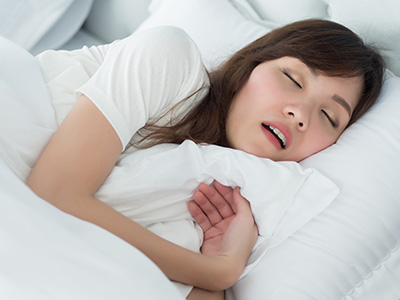
Snoring is a common nighttime sound caused when airflow through the nose and mouth meets resistance and causes the soft tissues in the back of the throat to vibrate. While many people snore occasionally, for some it becomes a chronic disturbance that affects sleep quality for the sleeper and anyone sharing their bedroom. Understanding the mechanics of snoring is the first step toward finding a practical solution.
Estimates suggest that tens of millions of people in the United States snore to some degree. Not all snoring signals a serious health problem, but loud, frequent snoring can sometimes be a symptom of sleep-disordered breathing such as obstructive sleep apnea. Because the underlying causes range from nasal congestion to anatomical variations, a careful assessment helps determine whether a conservative dental appliance or a different treatment path is most appropriate.
Several common factors influence airflow and increase the likelihood of snoring. They include nasal obstruction, relaxed throat and tongue muscles, enlarged soft tissues in the throat, effects of alcohol or sedatives, poor sleep habits, and sleeping position. Addressing these contributors—sometimes through simple lifestyle adjustments and sometimes with a custom oral device—can significantly reduce the frequency and intensity of snoring.
Mandibular repositioning devices—often what people mean when they refer to snoring appliances—work by slightly advancing the lower jaw (mandible) during sleep. This small forward adjustment helps open the airway behind the tongue and soft palate, reducing tissue vibration and allowing air to move more freely. The mechanism is simple in concept but requires precise fit and adjustment to be both effective and comfortable.
These appliances are custom-made to match your oral anatomy. Compared with over-the-counter boil-and-bite options, a laboratory-fabricated device provides a better seal, more predictable jaw positioning, and a lower likelihood of irritation. Because they are removable and worn only during sleep, they offer a less invasive alternative to surgical interventions and an easier-to-adopt option for many patients.
While mandibular advancement can reduce the sounds associated with snoring for many users, individual response varies. Some sleepers notice a rapid improvement in volume and frequency, while others require minor adjustments over several weeks to reach an optimal balance of comfort and effectiveness. Regular follow-up ensures the device continues to perform well as your needs evolve.
Not everyone who snores is an ideal candidate for a snoring appliance. The first priority is to rule out significant sleep apnea or other medical conditions that need different treatment. For that reason, clinicians often recommend a screening assessment—sometimes including a home sleep test or referral to a sleep medicine specialist—before fitting an oral device. If sleep apnea is present, a coordinated plan with your physician is important.
Primary candidates for oral snoring appliances are adults with habitual snoring and mild airway narrowing who prefer a portable, non-invasive treatment. People who cannot tolerate continuous positive airway pressure (CPAP) therapy, have an anatomy suitable for mandibular advancement, and have healthy teeth and jaw joints are frequently good candidates. A dental exam is necessary to confirm adequate dental support and to identify any concerns such as unstable teeth or temporomandibular joint issues.
During the evaluation, clinicians consider dental health, bite alignment, jaw mobility, and overall medical history. Clear communication about sleep patterns, daytime sleepiness, and any witnessed breathing interruptions helps the clinician and any consulting sleep physician decide whether an oral appliance is an appropriate option or part of a broader treatment strategy.
A typical treatment pathway begins with a comprehensive oral exam and impressions or digital scans of your upper and lower teeth. These records are used to fabricate a tailored appliance that holds the lower jaw slightly forward. Because accuracy matters, many practices work with specialized dental labs that create devices to the exact specifications provided by the clinician.
Once your appliance is delivered, the provider will fit it in the chair and demonstrate how to insert, remove, and clean it. Initial adjustments are often minor: small changes in the degree of jaw advancement or in the fit can make a big difference in comfort. It is normal to require a few follow-up visits in the first weeks as your bite and musculature adapt to the new position.
Patients typically wear the device nightly and may notice changes in snoring intensity within a few nights. If discomfort, jaw soreness, or bite changes occur, communicate these promptly; most issues can be addressed through adjustment. Long-term monitoring also helps detect wear or changes in fit that may call for a replacement or refinements.
Proper care keeps an appliance hygienic and extends its useful life. Cleaning typically involves gentle brushing with a soft toothbrush, rinsing after each use, and periodic deep cleaning with recommended cleaners or a denture-type soak. Avoid hot water or abrasive products that can warp or scratch the material. When not in use, store the appliance in its protective case away from heat and pets.
With routine care, many custom oral devices remain functional for several years, though materials wear over time and bite or dental changes may alter the fit. Regular dental check-ups allow clinicians to assess both appliance condition and oral health. If the device shows signs of significant wear, loses its fit, or causes new dental symptoms, replacement or remaking will be discussed.
Because the appliance interacts with teeth and the bite, it’s also important to be aware of potential side effects such as transient jaw discomfort, increased salivation, or minor tooth movement in some users. These reactions are often temporary or manageable with adjustment, but ongoing monitoring ensures that any persistent issue is addressed promptly.
Managing snoring effectively often involves a combination of strategies. Along with a well-fitting oral appliance, lifestyle measures—like avoiding late-night alcohol, maintaining a healthy weight, improving sleep hygiene, and experimenting with side-sleeping—can amplify results. Combining behavioral changes with a custom device frequently produces better outcomes than either approach alone.
For people with complex sleep-disordered breathing or moderate-to-severe obstructive sleep apnea, oral appliances are part of a larger conversation that may include CPAP, positional therapy, or medical and surgical options. Dental clinicians and sleep physicians commonly collaborate to tailor a plan that reflects the patient’s preferences, clinical findings, and response to initial interventions.
Choosing a trusted provider makes a difference. At Fuller Smiles San Fernando Valley, our team evaluates each patient’s dental health and sleep concerns to determine whether an oral appliance is a safe and suitable choice, and we coordinate with relevant medical specialists when needed. Our goal is to help patients and their families achieve quieter nights and better daytime functioning through thoughtful, evidence-based care.
In summary, snoring appliances are a conservative, reversible option for many people who snore without significant underlying sleep apnea. They require proper evaluation, custom fitting, and follow-up care to be safe and effective. If you’d like to learn more about how a tailored oral appliance might help you or a loved one, please contact us for additional information and to discuss next steps.

A snoring appliance is a custom-made oral device worn at night to reduce or prevent snoring by keeping the airway open. It typically resembles a sports mouthguard or orthodontic retainer and repositions the lower jaw slightly forward to reduce vibration of the soft tissues. These devices are removable and offer a noninvasive alternative for people whose snoring is not caused by a more serious medical condition.
By advancing the mandible and stabilizing the tongue, the appliance increases space in the back of the throat so air can flow more smoothly. Improved airflow reduces the tissue vibration that creates the sound of snoring and often improves sleep quality for both the wearer and their bed partner. Regular evaluation ensures the device remains effective and comfortable as oral conditions change over time.
Good candidates for a snoring appliance are adults whose snoring is primarily positional or caused by relaxed throat tissues rather than a complex medical disorder. Patients who are diagnosed as primary snorers or those with mild obstructive sleep apnea in coordination with a physician may benefit from an oral appliance. A dental evaluation, medical history review, and sometimes collaboration with a sleep physician help determine suitability.
People with certain dental limitations, severe periodontal disease, or insufficient healthy teeth to anchor a device may not be ideal candidates, and alternative treatments may be recommended. Your dental team will review your oral health, bite, and medical background to determine whether a custom appliance is a safe and practical option. If necessary, Fuller Smiles San Fernando Valley will coordinate care with your physician to ensure the best outcome.
Loud, frequent snoring can be a symptom of obstructive sleep apnea (OSA), but not all snorers have OSA. To differentiate, the dental team will ask about daytime sleepiness, witnessed breathing pauses, morning headaches, and other risk factors, and may refer you for a sleep study or home sleep test. Only a qualified medical provider can formally diagnose sleep apnea, and that diagnosis guides whether an oral appliance is appropriate.
If OSA is confirmed, treatment decisions involve both the sleep physician and the dental provider; for some patients with mild to moderate OSA, a custom oral appliance can be an effective treatment option. For moderate to severe OSA, continuous positive airway pressure (CPAP) or other medical therapies may be recommended instead of or in addition to an oral device. Collaborative care ensures that your breathing during sleep is managed safely and effectively.
The fitting process begins with a comprehensive oral exam, dental impressions or digital scans, and a bite registration to capture how your teeth and jaw come together. These records are used to create a precision-fit appliance in a dental lab, which ensures comfort and proper jaw advancement. The initial delivery appointment includes adjustments and clear instructions on use and care so the appliance functions correctly from the start.
After you begin wearing the appliance, the dental team schedules follow-up visits to fine-tune the fit and jaw position for optimal comfort and effectiveness. These follow-ups also allow monitoring for changes in bite, tooth movement, or jaw discomfort, which can sometimes occur with long-term wear. Ongoing checks are important to maintain both dental health and treatment benefit.
The two main categories of oral appliances for snoring are mandibular advancement devices (MADs) and tongue-retaining devices (TRDs). MADs gently hold the lower jaw forward to increase airway space and are the most commonly prescribed option because they are effective for many patients and allow natural jaw movement. TRDs hold the tongue forward using suction and can be appropriate for patients whose tongue position is a primary contributor to airway obstruction.
Both types require custom fitting to balance efficacy with comfort, and your dental provider will recommend the best option based on oral anatomy, snoring pattern, and overall health. Hybrid designs and adjustable appliances are also available to allow clinicians to titrate advancement gradually for better tolerance. Choosing the right appliance involves a personalized assessment rather than a one-size-fits-all approach.
Proper care prolongs the life of the appliance and helps maintain oral hygiene. Rinse the device after each use, brush it gently with a soft toothbrush and non-abrasive soap, and store it in a ventilated case when not in use to prevent bacterial growth. Avoid hot water, which can warp the appliance, and keep it away from pets and direct sunlight.
Bring the appliance to follow-up appointments so your dental team can inspect it for wear and fit changes. If you notice cracks, persistent bad odor, or a loosening fit, contact the office promptly rather than continuing to use a damaged device. Routine dental checkups also help detect any tooth or jaw changes related to long-term appliance use.
Most side effects are mild and temporary, but some patients experience jaw soreness, tooth discomfort, increased salivation, or dry mouth when they first start wearing an appliance. Small changes in tooth position or bite can occur with extended use, which is why regular monitoring by your dental provider is important. Properly fitted, custom devices tend to cause fewer adverse effects than over-the-counter or boil-and-bite alternatives.
Serious complications are uncommon but can include persistent pain, significant dental movement, or temporomandibular joint (TMJ) symptoms that require adjustment or discontinuation of the device. Reporting any new or worsening symptoms early allows the dental team to modify the appliance or recommend alternative therapies to protect your oral health and comfort.
Effectiveness varies by the cause of snoring and individual anatomy, but many patients notice a reduction in snoring intensity within a few nights to weeks of consistent use. Clinical studies show that properly fitted mandibular advancement devices can significantly reduce snoring frequency and loudness for many users. Patient-reported outcomes and partner feedback are commonly used to assess practical improvement in sleep quality.
Objective measures such as follow-up sleep testing or home sleep recordings can quantify changes in breathing events when needed, especially if sleep apnea was a concern. Regular follow-up with your dental provider helps ensure the appliance is titrated for the best balance of comfort and effectiveness. If results are limited, the team will discuss alternative or adjunctive strategies to improve sleep.
Yes. Oral appliances can be part of a multi-disciplinary treatment plan and are sometimes used in combination with positional therapy, weight management, or lifestyle changes to reduce snoring. For patients who use CPAP for obstructive sleep apnea but cannot tolerate it fully, an oral appliance may be considered as an alternative under physician supervision. Coordination between your dentist and sleep physician ensures treatments work together safely.
Before combining therapies, clinicians evaluate the severity of any sleep-disordered breathing and review medical history to avoid counterproductive interactions. Communication among providers allows personalized adjustments and monitoring to achieve the best sleep outcomes. Your dental team will document progress and recommend next steps based on clinical response.
After the initial fitting and periodic titration visits, patients are typically seen every six to twelve months for appliance assessment and oral health checks. These appointments look for changes in fit, signs of dental movement, wear of the appliance, and any new symptoms affecting the jaw or teeth. Routine dental care and cleanings remain important to maintain overall oral health while using an appliance long term.
If you were evaluated for sleep apnea, coordinated follow-up with your sleep physician may include repeat sleep testing or symptom review to confirm ongoing effectiveness. Any adjustments in medical status or dental condition should prompt an earlier visit so the appliance can be modified as needed. Fuller Smiles San Fernando Valley emphasizes collaborative long-term care to keep both breathing and oral health on track.
Take a smiling selfie and we’ll show you what Invisalign® treatment can do for you. Sometimes insurances can cover upto $2500 of invisalign treatment. Call our office or follow the link to find out.