Smile Visualization
Take a smiling selfie and we’ll show you what Invisalign® treatment can do for you. Sometimes insurances can cover upto $2500 of invisalign treatment. Call our office or follow the link to find out.

The temporomandibular joint (TMJ) is the hinge and sliding mechanism that connects your lower jaw (mandible) to the temporal bones of your skull. There are two TMJs—one on each side of the face—and they work together with muscles, ligaments, and a small cushioned disc to allow chewing, speaking, yawning, and subtle jaw movements. Though compact, this system performs a wide range of motions that make it one of the most mechanically sophisticated joints in the body.
Because the TMJ must accommodate hinge-like opening and closing as well as forward, backward, and side-to-side gliding, even small changes in alignment or function can create symptoms. The articular disc and surrounding soft tissues act as shock absorbers; when those tissues are irritated or displaced, the joint can produce pain, noise, or restricted movement. Understanding the basic anatomy helps patients appreciate why TMJ problems can affect not only the jaw but also nearby muscles, nerves, and even the ears.
Not all jaw discomfort signals a chronic disorder—temporary irritation from clenching, a dental procedure, or an injury often resolves with conservative care. Still, persistent pain, recurrent locking, or progressive limitation in jaw motion warrants a focused evaluation to identify the underlying cause and guide appropriate treatment.
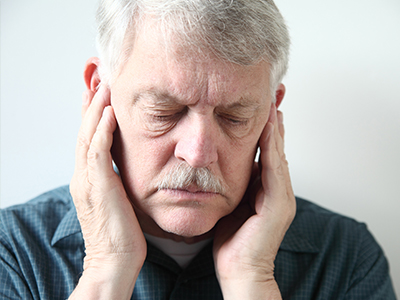
TMJ disorders can show up in many ways, and symptoms often vary between patients. Common complaints include jaw pain or tenderness, a clicking, popping, or grinding noise when opening or closing the mouth, and episodes of the jaw catching or locking. Some patients also report an aching sensation around the temples, difficulty chewing, or a change in how the teeth fit together.
Because the TMJ is close to the ears and cranial muscles, patients may also experience ear-related symptoms such as fullness, tinnitus (ringing), or ear pain without an ear infection. Headaches, neck and shoulder pain, and facial muscle fatigue are frequently part of the picture, especially when muscle tension plays a central role. The diversity of symptoms is why a careful history and examination are essential: two people with similar jaw noises can have very different causes and treatment needs.
Watch for warning signs that suggest more than temporary irritation: progressive limitation in opening, persistent or worsening pain despite self-care, or repeated locking episodes that interfere with eating or speaking. In those situations, prompt assessment by a dental professional can prevent unnecessary progression and help preserve joint function.
TMJ problems rarely stem from a single cause; instead, they often arise when multiple factors interact. One of the most frequent contributors is bruxism—chronic teeth grinding or clenching—that places excessive load on the joint and surrounding muscles. Trauma to the jaw, such as a direct blow or whiplash-type injury, can also damage the disc or joint surfaces and initiate ongoing symptoms.
Degenerative conditions like osteoarthritis or inflammatory arthritis can alter joint surfaces and compromise the cushioning function of the disc, producing pain and reduced mobility. In some people, subtle differences in bite alignment, missing teeth, or poorly fitting dental restorations can change chewing dynamics and increase stress on the TMJ over time. Emotional stress and poor sleep habits compound the problem by increasing muscle tension and parafunctional habits.
Because the jaw is controlled by several muscle groups, muscular imbalance alone—without any structural joint damage—can produce a full spectrum of TMJ symptoms. Identifying which factors are dominant in each patient is critical for developing a tailored, effective plan rather than applying a one-size-fits-all solution.
A diagnostic evaluation begins with a thorough medical and dental history plus a focused clinical exam. The clinician will observe jaw movement, listen for joint noises, assess range of motion, and palpate muscles and joint areas to identify tenderness or spasm. Questions about sleep habits, stress, prior injuries, and dental history help reveal contributing behaviors such as grinding or problematic restorations.
Imaging is used selectively to clarify the anatomy or rule out structural problems. Panoramic X-rays, cone-beam computed tomography (CBCT), or MRI may be recommended depending on suspected issues: CBCT reveals bone structure, while MRI is particularly useful for evaluating the disc and soft tissues. These tools complement the clinical exam and guide decisions about conservative therapies versus more advanced interventions.
When a case involves complex medical history, severe degeneration, or unresolved symptoms after initial therapy, an interdisciplinary approach is often most effective. Collaboration with physical therapists, pain specialists, oral surgeons, or ear-nose-throat clinicians ensures the patient receives comprehensive care tailored to both the joint and related muscular or neurologic contributors.
Most TMJ disorders respond well to conservative, reversible treatments focused on symptom relief and functional restoration. Initial steps typically include behavior modification (reducing gum chewing or hard foods), sleep and stress management, and targeted self-care measures such as warm compresses, gentle jaw stretching, and short-term use of over-the-counter anti-inflammatory medications when appropriate. These measures frequently produce meaningful improvement for many patients.
Oral appliances are a cornerstone of noninvasive treatment. Custom-fitted night guards or stabilization splints can reduce grinding forces, protect teeth, and help the jaw muscles relax. Physical therapy and supervised jaw exercises build strength, flexibility, and motor control, while manual therapy and myofascial release techniques address persistent muscle tension. In-office therapies such as targeted injections—when indicated—can relieve severe muscle spasm or joint inflammation under professional guidance.
Restorative or orthodontic care may be considered when dental alignment or missing teeth clearly contribute to abnormal bite forces. These options are evaluated carefully and implemented only when they address a confirmed, treatable contributor to the problem. Surgery is reserved for selected cases—such as refractory disc displacement or severe joint degeneration—and is discussed with patients only after conservative measures have been thoroughly explored.
Throughout treatment, regular reassessment helps determine progress and whether adjustments are needed. The goal is to restore comfortable jaw function with the least invasive approach that is likely to produce a durable result. When managed promptly and thoughtfully, many patients regain reliable function and meaningful relief from symptoms.
At Fuller Smiles San Fernando Valley, our approach emphasizes careful diagnosis, individualized care plans, and conservative first-line treatments to help patients regain comfortable, reliable jaw function. If you have persistent jaw pain, recurrent clicking, or difficulty opening or closing your mouth, please contact us for more information about evaluation and treatment options tailored to your needs.

Temporomandibular joint disorders, commonly called TMJ disorders, refer to a group of conditions that affect the jaw joint, the muscles that control jaw movement and the supporting structures around the joint. These disorders can arise from a variety of causes, including repetitive strain from teeth grinding, direct trauma to the jaw, inflammatory diseases such as arthritis, or abnormalities in the joint disc. Because the TMJ performs hinge and gliding motions, even small changes in joint alignment or muscle function can lead to persistent pain and impaired movement.
Development of TMJ problems is often multifactorial, with mechanical stress interacting with biological factors such as joint degeneration, systemic inflammation and individual pain sensitivity. Behavioral and psychosocial factors like stress-related clenching, poor posture and sleep disturbances may also contribute to onset and persistence. Early recognition of contributing factors helps guide treatment toward less invasive therapies and reduces the risk of chronic symptoms.
Symptoms of a TMJ disorder vary widely but commonly include jaw pain or tenderness, clicking or popping sounds when opening or closing the mouth, and restricted or locked jaw movement. Many patients also report associated ear symptoms such as earache or ringing, facial pain, tension-type headaches or neck and shoulder discomfort. Symptoms can be intermittent or constant and may worsen with chewing, yawning or prolonged talking.
Because TMJ disorders can mimic other conditions, persistent or progressive symptoms warrant evaluation by a dental professional. If you experience increasing pain, difficulty opening your mouth fully, or signs of infection or neurological change, seek prompt assessment to determine the underlying cause and appropriate management. A thorough exam can help distinguish TMJ-related problems from dental, otologic or neurologic conditions that require different care.
Diagnosis begins with a detailed medical and dental history and a clinical exam that assesses jaw range of motion, joint sounds, muscle tenderness and bite relationships. Palpation of the muscles and joint, observation of chewing patterns and functional tests are used to identify the likely source of symptoms. Dentists may use standardized screening tools and questionnaires to document symptom severity and functional limitations.
Imaging and ancillary tests are ordered as needed to clarify structural issues; plain radiography, cone beam computed tomography (CBCT) and magnetic resonance imaging (MRI) can provide detailed views of the joint surfaces and soft-tissue disc. MRI is particularly useful for evaluating disc position and soft-tissue pathology, while CBCT helps assess bone changes and joint morphology. Diagnostic injections or referral to a specialist may be considered when the diagnosis remains uncertain or symptoms are severe.
Conservative management is the first-line approach for most TMJ disorders and focuses on symptom relief and functional restoration. Common strategies include a soft-food diet, avoidance of wide opening or chewing gum, use of heat or cold, and short-term pharmacologic measures such as nonsteroidal anti-inflammatory drugs or muscle relaxants when appropriate. Stress management, relaxation techniques and targeted jaw-stretching exercises can reduce muscle tension and complement other therapies.
Additional noninvasive options include physical therapy, manual therapy, and the use of custom-fitted oral appliances such as stabilization splints or night guards to reduce parafunctional loading and protect teeth. In many cases these combined measures ease pain and restore normal jaw function within weeks to months. If symptoms persist despite conservative care, a stepwise escalation of treatment is considered while continuing to reassess underlying causes.
Oral appliances are designed to modify the occlusion and reduce abnormal forces on the temporomandibular joint and masticatory muscles. A properly fitted night guard or stabilization splint redistributes bite forces, reduces teeth grinding and helps relax hyperactive jaw muscles. These devices are custom-made from impressions or digital scans to ensure a stable, comfortable fit and to maintain proper jaw position during sleep or periods of clenching.
When used in conjunction with other conservative treatments, appliances can decrease pain, minimize further joint damage and improve sleep quality for patients with bruxism-related TMJ problems. Regular follow-up is important to monitor wear, adjust the appliance for comfort and evaluate symptom response. Long-term reliance on an appliance may be reassessed periodically to determine whether symptoms have resolved or additional therapies are needed.
Surgery is reserved for patients with severe, persistent TMJ pathology that does not respond to comprehensive conservative and minimally invasive treatments. Indications may include progressive degenerative joint disease, internal derangement with a dislocated disc that cannot be reduced, ankylosis or disabling pain and dysfunction after an appropriate trial of nonoperative care. Surgical decisions are made after careful imaging evaluation, multidisciplinary consultation and informed discussion of risks and expected outcomes.
Minimally invasive procedures include arthrocentesis and arthroscopy, which can remove inflammatory byproducts and improve joint mobility with lower risk and faster recovery than open surgery. Open joint procedures address complex structural problems and may involve joint reconstruction or disc repositioning. As with any surgical intervention, postoperative rehabilitation and realistic expectations are essential components of successful recovery.
Yes, chronic teeth grinding and clenching (bruxism) are common contributors to TMJ symptoms because they subject the joint and jaw muscles to repetitive, excessive forces. Over time, this increased load may lead to muscle fatigue, inflammation of the joint tissues, accelerated wear of the articular surfaces and displacement of the intra-articular disc. Bruxism can occur during wakefulness or during sleep, and the pattern and intensity of grinding influence how symptoms develop.
Addressing bruxism is an important part of TMJ management; strategies include behavioral modification, stress reduction, sleep hygiene, and use of occlusal appliances to protect teeth and dampen harmful forces. In some cases, referral for a sleep evaluation or collaboration with a physician is indicated when sleep-related breathing issues or medications contribute to nocturnal bruxism. A comprehensive treatment plan targets both the habit and its effects on the joint.
Simple home remedies can reduce pain and improve function for many people with TMJ disorders and are typically recommended as part of initial care. Patients are commonly advised to eat softer foods, avoid hard or chewy items, limit wide yawns and stop gum chewing to decrease mechanical stress on the joint. Applying moist heat or cold packs for short intervals, practicing jaw relaxation techniques and maintaining good neck and head posture can also ease muscle tension and discomfort.
Gentle, guided jaw-stretching exercises may improve mobility when performed correctly and under professional instruction. Stress management tools such as mindfulness, biofeedback or cognitive-behavioral strategies can reduce parafunctional clenching driven by anxiety. If over-the-counter measures fail to provide relief or symptoms worsen, patients should seek a clinical evaluation to refine treatment and prevent chronicity.
The anatomic and neurologic connections between the jaw, ear and neck mean that TMJ dysfunction often produces symptoms beyond the joint itself. Referred pain from irritated jaw muscles or inflamed joint tissues can manifest as temporal or tension-type headaches, ear pain, fullness or tinnitus, and discomfort radiating into the neck and upper back. Muscle hyperactivity and altered jaw mechanics change head and cervical spine posture, which may further perpetuate headache and neck symptoms.
Because these symptoms overlap with other disorders, a coordinated assessment is important to determine the role of the TMJ and to plan appropriate multidisciplinary care. Treating the underlying jaw condition frequently reduces associated headaches and ear complaints, and integrated approaches that include physical therapy or medical management can address concurrent neck or craniofacial pain effectively.
A TMJ evaluation typically begins with a comprehensive history and a focused clinical examination to document your symptoms, pain patterns and functional limitations. The dentist will assess jaw motion, listen for joint sounds, palpate muscles and joints for tenderness, and review dental occlusion and wear patterns that could indicate bruxism or uneven forces. If needed, clinicians may use advanced imaging such as CBCT or MRI to evaluate bone structure and soft-tissue components of the joint.
Based on findings, the care team will recommend an individualized treatment plan that emphasizes conservative measures first and outlines follow-up, appliance therapy or referral to specialists when appropriate. The goal of the evaluation is to identify contributing factors, set realistic recovery expectations and provide a coordinated path for symptom relief and improved jaw function. If you have specific concerns or a history of prior TMJ treatments, bring those records to the appointment to assist in planning care.
Take a smiling selfie and we’ll show you what Invisalign® treatment can do for you. Sometimes insurances can cover upto $2500 of invisalign treatment. Call our office or follow the link to find out.