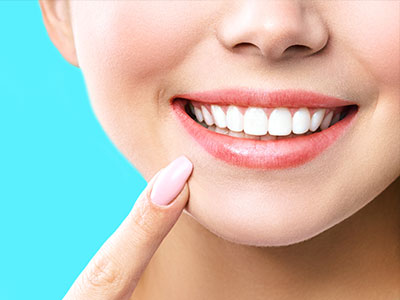
Smile Visualization
Take a smiling selfie and we’ll show you what Invisalign® treatment can do for you. Sometimes insurances can cover upto $2500 of invisalign treatment. Call our office or follow the link to find out.

At Fuller Smiles San Fernando Valley, we believe a confident smile can change the way you feel about yourself. For patients seeking a safe, professional route to visibly whiter teeth, ZOOM! Whitening offers an efficient, dentist-supervised option that combines in-office power with easy at-home maintenance. This page explains how ZOOM! works, what to expect before and during treatment, and how to preserve your results for the long term.
Discover a brighter smile with clear, practical guidance.
ZOOM! Whitening uses a peroxide-based whitening gel that penetrates the outer enamel to break up stains and discoloration. The process is activated and accelerated by a specialized light, which helps the gel act more efficiently than many over-the-counter products. Because the treatment is performed under the supervision of a dental professional, it’s applied in a controlled way that focuses on safety and even results.
The mechanism behind whitening is straightforward: the whitening agent oxidizes stain molecules inside the enamel so they become less visible. That means the procedure alters the color of intrinsic stains as well as surface discoloration. While results vary based on the nature and depth of staining, many patients notice a marked improvement after a single in-office session, with additional improvement possible through follow-up home-care options.
Because ZOOM! is administered in a clinical setting, your dental team can tailor the strength of the gel and the length of light exposure to your needs. This customization helps balance efficacy with comfort, reducing the likelihood of excessive sensitivity while providing predictable, measurable results.
Before scheduling a ZOOM! session, you’ll have a pre-treatment consultation to review your oral health and discuss expectations. The dentist or hygienist will examine your teeth and gums, address any active dental issues such as cavities or gum inflammation, and determine whether whitening is appropriate at this time. A professional cleaning is often recommended first so the whitening agent can act on a clean surface for more uniform results.
During the consultation you can talk through previous whitening experiences and any concerns, such as tooth sensitivity. If you tend to experience sensitivity, your clinician may recommend preparatory steps—like desensitizing toothpaste or a gentler protocol—to make the in-office visit more comfortable. Being transparent about your dental history and habits helps the team create a plan that supports both safety and the outcomes you want.
Practical preparation is minimal: avoid heavy staining foods or tobacco on the day of your appointment, and wear comfortable clothing. If you have dental restorations such as crowns, veneers, or bonding in visible areas, mention these during your visit since restorations do not whiten and may influence overall aesthetic planning.
On the day of your appointment, the team will protect your gums and lips and apply the whitening gel to the front surfaces of your teeth. A special light is then positioned to activate the formula. Treatments are typically delivered in several short cycles—often three 15-minute applications—but your clinician will customize timing based on your response and desired outcome. The entire in-office portion commonly fits into an appointment under an hour.
Comfort is a priority throughout the session. Protective barriers shield soft tissues, and a shade guide is used to track progress. Some patients report mild, temporary sensitivity during or after the treatment; this is a common reaction that usually subsides within a few days. Your provider can suggest over-the-counter remedies or a short course of desensitizing products if needed.
After the final light cycle, the gel is removed and you’ll be shown the immediate results. Many patients appreciate the immediate visual difference and leave the office with a noticeably brighter smile. The clinician will review aftercare steps and discuss at-home options that complement the in-office treatment to maintain and extend your results.
Finally, the dental team will advise you on short-term precautions—such as avoiding strongly colored beverages and foods for a brief window—so the newly brightened enamel can stabilize. Following these recommendations helps prevent rapid re-staining and keeps your smile looking its best almost immediately after treatment.
ZOOM! also offers take-home whitening options that pair with in-office treatment or serve as a stand-alone regimen for gradual brightening. These kits usually include custom or pre-formed trays and professional-strength gel that is gentler than the in-office concentration but more effective than store-bought strips. Using a professionally recommended home kit on schedule can extend the life of your in-office results and allow for periodic touch-ups.
Maintaining whitened teeth is largely about daily habits. Limiting intake of staining substances—like coffee, tea, red wine, and tobacco—and practicing consistent oral hygiene will slow the return of discoloration. Regular professional cleanings also help remove surface stains and keep teeth receptive to touch-up whitening when needed.
When touch-ups are required, your dental team can advise on frequency and the best product for your situation. Some patients prefer short, scheduled touch-ups every few months, while others use a targeted approach—reapplying a home kit after periods of increased staining. Whatever approach you choose, following your dentist’s guidance ensures you maintain a natural-looking, uniform shade across both natural teeth and existing restorations.
ZOOM! Whitening is appropriate for many people who want a noticeable, professionally supervised improvement in tooth color, but it isn’t the ideal solution for every situation. Teeth with deep intrinsic staining from certain medications, or teeth with extensive restorations in the smile zone, may require alternative or complementary cosmetic treatments. During your consultation at Fuller Smiles San Fernando Valley, the team will evaluate whether whitening is the best option or if veneers, bonding, or restorative work should be considered instead.
People with untreated gum disease, active decay, or some dental hypersensitivities will need those issues addressed before whitening. Pregnant or nursing patients should discuss timing with their dentist and medical provider; many clinicians recommend postponing elective whitening until after pregnancy. Clear communication about your medical and dental history helps your provider recommend a safe, effective plan tailored to you.
Ultimately, the right approach balances desired outcome, dental health, and long-term maintenance. A thorough exam, honest expectations, and a dentist-directed protocol are the best way to achieve a brighter, natural-looking smile while protecting the health of your teeth and gums.
Ready to learn whether ZOOM! Whitening can help you achieve the brighter smile you want? Contact us to request more information or to schedule a consultation with our team.

ZOOM! Whitening is a professional tooth whitening system that combines a peroxide-based gel with a specialized light to accelerate stain removal. The gel penetrates enamel to oxidize and break up discolored molecules, reducing the appearance of both surface and some intrinsic stains. The light used in the procedure activates the formula so treatment can produce faster, more noticeable results than most over-the-counter options.
Treatments are performed by a dental clinician who can adjust gel strength and exposure time to balance whitening power with patient comfort. A typical in-office session consists of several short light-activated cycles that can be completed in under an hour. Follow-up at-home protocols and touch-ups can help refine and prolong the outcome for many patients.
Ideal candidates are adults in generally good oral health who want a significant, professionally supervised improvement in tooth color. People with untreated decay, active gum disease, or certain types of sensitivity may need those issues addressed before whitening. A consultation will determine whether ZOOM! is appropriate or if alternative cosmetic treatments might better meet aesthetic goals.
Patients with extensive restorations in the smile zone should discuss expectations because crowns, veneers, and bonding do not whiten with bleaching agents. Those with deep intrinsic staining from medications may see limited improvement and could require restorative or veneering options for a uniform result. Pregnant or nursing patients should talk with their medical provider and dentist about timing before scheduling elective whitening.
Before a ZOOM! appointment you will have a consultation and dental exam to confirm oral health and review previous whitening history. A professional cleaning is often recommended so the whitening gel can act on a clean enamel surface for more even results. Be prepared to discuss sensitivity history and any dental restorations so the clinician can tailor the protocol.
On the day of treatment avoid foods and tobacco that might stain teeth and wear comfortable clothing for your appointment. If sensitivity is a concern your clinician may recommend using desensitizing toothpaste for several days beforehand or adjusting the in-office protocol. Bring a list of medications and be candid about medical history to help ensure a safe, informed treatment plan.
When you arrive, the team protects soft tissues with barriers and isolates the teeth so the whitening gel is applied only to the enamel. The peroxide-based gel is placed on the front surfaces of the teeth and a specialized light activates the formula in timed cycles. Most protocols involve multiple short cycles with the clinician checking progress against a shade guide between applications.
The entire in-office portion typically takes less than an hour, although exact timing depends on the chosen protocol and patient response. Some patients report mild sensitivity during or shortly after treatment, but protective measures and tailored exposure help minimize discomfort. After the final cycle the gel is removed, results are reviewed, and the clinician discusses aftercare and any recommended at-home follow-up.
Mild, temporary tooth sensitivity is a common side effect of professional whitening and usually resolves within a few days. Sensitivity arises because peroxide temporarily increases fluid movement within dentinal tubules, which can trigger short-term discomfort in some patients. The dental team can recommend strategies to reduce sensitivity before and after treatment.
Options to manage sensitivity include using desensitizing toothpaste, applying topical desensitizing agents, or adopting a gentler in-office protocol with shorter cycles. Over-the-counter pain relievers and cold-avoidance for a day or two can also help while enamel settles. If sensitivity persists beyond a short recovery period the clinician will evaluate for other causes and adjust subsequent care accordingly.
Duration varies with individual habits, baseline tooth color, and biological factors, but many patients enjoy visibly whiter teeth for months to years. Staining foods and beverages, tobacco use, and inconsistent oral hygiene accelerate re-staining and shorten the visible benefit. Natural aging of tooth structure and enamel wear can also gradually reduce brightness over time.
Regular professional cleanings and prompt touch-ups with a dentist-recommended home kit can substantially extend results. Some patients prefer brief, scheduled maintenance sessions every few months while others use targeted touch-ups after periods of increased staining. Your dental team will recommend a maintenance plan tailored to your lifestyle and desired level of whiteness.
ZOOM! systems often include professionally prescribed take-home trays and lower-concentration gel that complement in-office whitening or serve as standalone treatment for gradual brightening. Custom or pre-formed trays help hold gel against the tooth surface so it works more effectively than over-the-counter strips. Your dentist will provide specific wear time and frequency instructions based on your needs and the product strength.
Consistent, correct use of at-home kits can refine shade and provide convenient touch-ups when re-staining occurs. Avoiding excess gel contact with gums and following recommended wear times will reduce the risk of irritation or sensitivity. If you experience significant discomfort or unexpected results stop use and consult your dental provider for guidance.
No, bleaching agents like those used in ZOOM! do not change the color of dental materials such as porcelain, composite resin, or existing veneers and crowns. Because restorations remain the same shade, whitening natural teeth may create a mismatch with older restorative work in the smile zone. A thorough consultation will identify any restorations that could affect overall aesthetics and allow planning for coordinated treatment.
If restorations are present the dentist may recommend replacing or adjusting them after whitening to achieve a uniform appearance. In some cases whitening is used to set a target shade before new restorations are fabricated to match the brighter teeth. Discussing long-term cosmetic plans with your provider ensures that whitening integrates smoothly with restorative goals.
When performed under dental supervision ZOOM! Whitening is widely regarded as safe, but like any procedure it carries potential side effects that patients should understand. Common short-term effects include mild tooth sensitivity and gum irritation, which typically subside soon after treatment. Proper isolation, careful application, and clinician oversight minimize risks and protect soft tissues from unnecessary exposure.
Certain medical conditions, medications, or untreated oral disease may increase risk or affect suitability, so a full medical and dental history is important during consultation. Pregnant and nursing patients are commonly advised to postpone elective whitening until after pregnancy, so discuss timing with your dentist and medical provider. If you have concerns about long-term enamel health or potential complications your dentist can explain alternatives and precautions tailored to your case.
To preserve whitening results adopt a consistent oral hygiene routine that includes brushing twice daily, flossing, and regular professional cleanings. Limiting or moderating consumption of staining substances such as coffee, tea, red wine, and tobacco will slow re-staining and help maintain brightness. Using a straw for beverages and rinsing with water after staining foods can also reduce pigment contact with enamel.
The dental team at Fuller Smiles San Fernando Valley can provide a dentist-supervised touch-up schedule and prescribe at-home gel concentrations and tray wear times tailored to your needs. Occasional short touch-up courses or periodic in-office refreshers can keep your shade consistent without overdoing treatment. If you notice uneven color or persistent staining your clinician can reassess and recommend the appropriate corrective steps.
Take a smiling selfie and we’ll show you what Invisalign® treatment can do for you. Sometimes insurances can cover upto $2500 of invisalign treatment. Call our office or follow the link to find out.