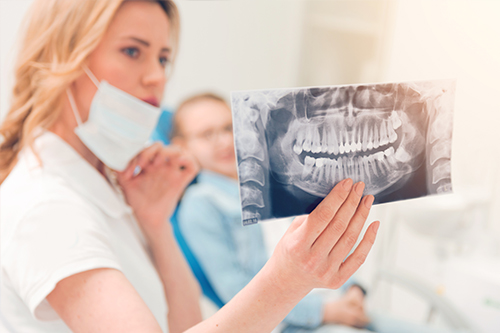
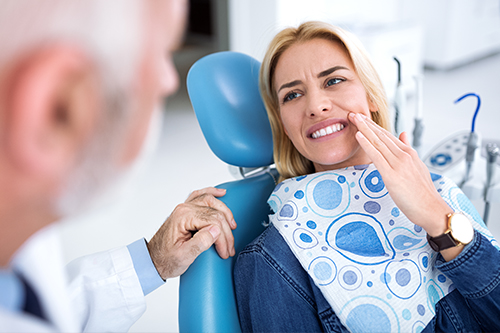
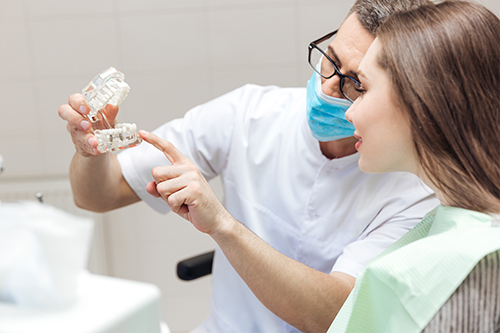
The image shows a dental professional attending to a patient during a dental appointment.

Emergency Treatment

Immediate Care When Oral Emergencies Strike

Dental emergencies are unpredictable and often painful. Whether it's a sudden toothache that wakes you at night, a knocked-out tooth from a fall, or severe swelling around the jaw, swift action can make the difference between saving a tooth and losing it. Recognizing the signs that require urgent attention helps you avoid unnecessary complications and preserves long-term oral health.

Our team at Fuller Smiles San Fernando Valley approaches every urgent case with a clear focus: stop the pain, limit any damage, and stabilize the situation so a thoughtful, lasting treatment plan can follow. Prompt evaluation is critical because infections and fractures can progress quickly. Early intervention reduces the need for more invasive procedures and improves outcomes.

Not every problem needs emergency room care, but many oral issues do benefit from same-day dental attention. If you're unsure whether your situation is urgent, look for key warning signs such as uncontrollable bleeding, intense pain, significant swelling, or a tooth that has been displaced. In those cases, seeking immediate dental care is the best next step.

Recognizing the Most Common Urgent Dental Problems

Some dental problems are common and relatively straightforward to treat when addressed quickly; others require more complex care. Understanding what typically qualifies as a dental emergency helps you act decisively. Pain that interferes with daily activities, facial swelling that affects breathing or swallowing, or visible trauma to the teeth or soft tissues are all examples of conditions that should be treated promptly.

We handle a wide range of urgent oral concerns, including but not limited to:

  • Severe toothaches and dental pain
  • Chipped, cracked, or fractured teeth
  • Swollen or painful gums and abscesses
  • Loose, dislodged, or knocked-out teeth
  • Broken, loose, or missing restorations such as fillings or crowns
  • Problems with dentures or prosthetics that cause injury or inability to eat
  • Complications from wisdom teeth or other eruptive issues
  • Unexplained oral lumps, persistent ulcers, or suspicious lesions

Each of these situations carries its own risks and recommended steps. For example, a knocked-out tooth requires immediate attention to maximize the chance of reimplantation, while an abscessed tooth may need urgent infection control followed by restorative care. Our approach tailors the response to the specific issue and to your overall health needs.

What Happens During an Emergency Dental Visit

When you arrive for an emergency appointment, the first priority is a focused assessment to understand the source and severity of the problem. This typically includes a brief medical and dental history, a targeted exam of the affected area, and diagnostic imaging when necessary. That information helps us make rapid, informed decisions about the best next steps.

Comfort and safety are central to our process. We use modern tools (digital X-rays, intraoral cameras, and thorough infection-control protocols) to diagnose quickly and accurately. Pain management begins immediately with appropriate local anesthesia, temporary splinting, or medication when indicated. Our aim is to relieve discomfort while we prepare a definitive treatment plan.

Not all visits conclude with a full permanent repair. Often the first visit focuses on stabilizing the situation, controlling infection, reducing swelling, protecting exposed tooth structure, and restoring basic function. After stabilization, we discuss permanent options, timing, and any additional consultations that might be helpful so you know what to expect next.

Immediate Treatments That Protect Teeth and Ease Pain

Emergency dental treatment is designed to do two things: stop pain and prevent further harm. For minor fractures or lost fillings, a temporary or permanent restoration can seal the tooth and restore function. For traumatic injuries, we may reposition and splint a loose tooth or, when possible, reimplant a tooth that has been displaced. These steps preserve your options for long-term care.

If decay or trauma has reached the inner nerve of the tooth, a root canal may be recommended to remove infection and save the tooth. Root canal therapy is a reliable, tooth-preserving procedure that eliminates painful inflammation while maintaining the natural tooth structure whenever feasible. When a tooth is too compromised to save, extraction is performed with an eye toward safe removal and future replacement planning.

In addition to definitive repairs, emergency care often includes measures to manage infection and swelling, such as prescribing appropriate antimicrobial therapy and recommending cold or warm compresses. We prioritize conservative, evidence-based treatments that maintain oral health and prepare your smile for any necessary restorative work.

Planning for Recovery and Restoring a Stable Smile

After the urgent issue is addressed, the next step is a personalized plan to restore full function and esthetics. Modern dentistry offers several reliable options for replacing missing or severely damaged teeth. Dental implants recreate the natural tooth root and provide a durable foundation for crowns; fixed bridges can replace adjacent missing teeth; and partial or complete dentures restore form and chewing ability for broader tooth loss.

Choosing the right solution depends on multiple factors, overall oral health, bone levels, the number of missing teeth, and your personal preferences. Our team explains each option clearly and helps you weigh the benefits and considerations so you can make an informed choice. The goal is a long-term result that blends comfort, function, and a natural appearance.

Recovery from emergency dental care also includes practical aftercare guidance: how to manage pain, maintain oral hygiene around repaired areas, and recognize signs that warrant a follow-up visit. With thoughtful aftercare and a clear restorative plan, most patients regain full comfort and confidence in their smiles.

In short, prompt attention to dental emergencies reduces pain, protects teeth, and preserves future restorative choices. If you believe you have an urgent dental issue, please contact us for more information on how we can help restore your comfort and oral health.

The image displays a black background with a blurred white shape resembling an abstract representation of a person's head and shoulders, suggesting a human figure but without clear facial features or clothing details.

Frequently Asked Questions

What qualifies as a dental emergency

+

A dental emergency is any oral problem that requires immediate attention to stop pain, control bleeding or prevent worsening infection. Common examples include a knocked-out tooth, uncontrolled bleeding, severe toothache that interferes with daily activity, and significant facial swelling that affects breathing or swallowing. Prompt evaluation helps limit damage and preserves future treatment options.

If you are unsure whether a situation is urgent, look for those key warning signs and seek same-day dental care when they are present. Many issues that seem minor can escalate quickly, so early assessment is important to avoid more invasive procedures later. At Fuller Smiles San Fernando Valley we focus on stabilizing urgent problems and developing a clear plan for follow-up care.

What should I do immediately if a tooth is knocked out

+

If a permanent tooth is completely knocked out, time is critical: find the tooth, handle it by the crown only, and rinse it gently with water if dirty. If possible, reinsert the tooth into the socket and hold it in place, or store it in milk or your saliva and get to a dentist right away because the best chance for reimplantation is within the first hour. Avoid scraping or scrubbing the root and do not wrap the tooth in tissue or cloth.

If reimplantation is not possible, bring the tooth with you and seek urgent dental treatment so the dentist can evaluate options such as splinting, root canal therapy or replacement planning. The dentist will assess the tooth and surrounding structures and act quickly to preserve as much natural anatomy as possible. Timely professional care significantly improves the likelihood of saving the tooth.

How can I manage severe tooth pain before I see a dentist

+

To manage acute tooth pain at home, start with over-the-counter pain relievers such as ibuprofen or acetaminophen, following label directions and any guidance from your physician. Rinsing gently with warm salt water, applying a cold compress to the cheek for 10 to 20 minutes at a time, and avoiding very hot or cold foods can also reduce discomfort temporarily. Do not apply aspirin directly to the gums or rely on medication as a substitute for professional care.

While these measures can help control symptoms, they do not treat the underlying cause, which may be infection, fracture or inflammation that requires dental intervention. Contact your dental office for an urgent appointment so the problem can be diagnosed and definitive treatment started. Early intervention often reduces the need for more invasive procedures and decreases the risk of complications.

When should I go to the emergency room instead of the dentist

+

Visit a hospital emergency department if a dental problem is accompanied by difficulty breathing, uncontrolled bleeding that will not stop, severe facial trauma, or signs of a spreading infection such as high fever and rapidly increasing swelling. These symptoms suggest a potential airway or systemic threat that requires immediate medical stabilization. The emergency room can manage life-threatening conditions and coordinate urgent dental or surgical referrals when necessary.

For most other urgent dental issues (severe pain, knocked-out teeth contained to the mouth, localized swelling or broken restorations), a same-day visit to a dental office is more appropriate because dentists specialize in diagnosing and treating oral problems. If you have any doubt, call your dental office to describe your symptoms and receive guidance on whether to go to the ER or come directly to the dental clinic. Timely coordination between medical and dental teams ensures safe, effective care.

Can an infected or abscessed tooth wait until regular business hours

+

An abscessed tooth should not be ignored because an oral infection can spread to surrounding tissues and, in rare cases, into the bloodstream. Symptoms that signal urgency include severe, throbbing pain, fever, swelling that affects breathing or swallowing, and a persistent bad taste from drainage. These signs typically warrant same-day evaluation to control the infection and relieve pain.

Treatment may include drainage, prescription antibiotics, pain control and definitive care such as root canal therapy or extraction depending on the tooth's condition. Prompt management reduces the risk of complications and helps preserve treatment options. Follow your dentist's instructions closely and return for any recommended follow-up visits to ensure the infection has resolved.

What should I expect during an emergency dental visit

+

An emergency dental visit begins with a focused assessment to identify the source and severity of the problem, including a brief medical history and a targeted oral exam. Diagnostic tools such as digital X-rays or intraoral imaging are used as needed to evaluate fractures, root involvement or hidden infection. Pain relief and stabilization are immediate priorities and may include local anesthesia, temporary restorations, splinting or short-term prescriptions.

Not every emergency visit results in a final repair; many visits are intended to stabilize and relieve symptoms while a definitive treatment plan is developed. Your dentist will explain next steps, expected timelines and any referrals that might be needed for restorative or surgical care. Clear communication and a staged approach help patients understand what to expect and how to prepare for follow-up treatment.

How are fractured or cracked teeth treated in an emergency

+

Treatment for a fractured or cracked tooth depends on the type and severity of the break. Minor chips may be smoothed or bonded with a composite material during the emergency visit, while deeper fractures that involve the pulp often require root canal therapy followed by a protective crown. If a fracture extends below the gumline or compromises the root, extraction and replacement planning may be recommended.

Initial emergency care focuses on protecting exposed tooth structure, controlling pain and preventing infection by placing temporary restorations or dressing, and stabilizing any mobile segments. After stabilization, your dentist will review permanent restorative options that restore function and appearance, and will schedule additional appointments as needed. Addressing cracks early helps prevent worsening damage and preserves future treatment choices.

Will a dentist always try to save a tooth that has been severely damaged

+

Preserving a natural tooth is generally the preferred approach because it maintains jawbone, function and appearance, but the feasibility depends on factors like structural integrity, infection, periodontal support and overall patient health. When saving the tooth is possible, treatments such as root canal therapy, post-and-core build-ups and crowns or splinting for traumatic injuries are commonly used. The dentist will evaluate the prognosis and discuss realistic outcomes before proceeding.

If a tooth is nonrestorable or poses a risk to adjacent teeth or systemic health, extraction may be the safest option, followed by a thoughtful plan for replacement such as an implant, bridge or denture. The decision balances long-term function, esthetics and patient preferences to achieve the best outcome. Your dentist will explain the rationale and next steps so you can make an informed choice.

How should I care for facial swelling or soft tissue injuries after dental trauma

+

For facial swelling after an injury, apply a cold compress to the affected area for 10 to 20 minutes at a time during the first 24 hours to reduce inflammation and discomfort. Keep the head elevated, avoid strenuous activity and follow any wound-care instructions for cuts to the lips or gums, including gentle cleaning and avoiding irritating foods. Seek immediate care if swelling increases rapidly, breathing or swallowing becomes difficult, or if you develop a fever.

Soft tissue injuries in the mouth often heal well with proper cleaning, short-term antiseptic rinses and, when appropriate, suturing by the dentist to promote optimal healing. Pain control and close follow-up are important to monitor for infection or other complications. Prompt professional evaluation ensures that injuries are managed safely and that necessary repairs are performed in a timely manner.

What follow-up steps are needed after emergency dental treatment to restore my smile

+

After emergency care stabilizes pain and infection, the dentist will outline a personalized restorative plan to fully restore function and esthetics, which may include root canal therapy, crowns, implant placement or prosthetic solutions. The choice of restoration depends on the tooth's condition, surrounding bone and gum health, and your long-term goals for appearance and function. Timing is coordinated to allow for healing and to optimize the success of permanent treatments.

Follow-up visits are also an opportunity to review aftercare instructions, monitor healing, and make adjustments to temporary restorations as needed. Good oral hygiene, adherence to post-procedure guidance and timely scheduling of restorative appointments help ensure durable results and reduce the risk of repeat emergency visits. If you experience new or worsening symptoms after treatment, contact your dental office promptly for evaluation.

The image shows an interior space with a reception desk area featuring a clean, modern design, including a counter, vases with flowers, a TV screen displaying a program, and a sign that reads 'Welcome.

Let's Talk Smiles

Reach Out to Fuller Smiles San Fernando Valley Today

Have a question about a treatment, or ready to book your next visit?

Getting in touch is the easy part. Our friendly team is happy to help you schedule an appointment, walk through your options, or talk through any concerns before you commit to anything.

Call us, or fill out our quick online contact form, whichever suits you. Either way, you'll reach a real person who's glad to help. The smile you've been thinking about starts with a single message, so go ahead and send it. We'll take it from there.

Northridge
Monday
8:00 am - 5:00 pm
Tuesday
10:00 am - 7:00 pm
Wednesday
8:00 am - 5:00 pm
Thursday
10:00 am - 7:00 pm
Friday
8:00 am - 5:00 pm
Saturday
8:00 am - 2:00 pm (alternating)
West Hills
Monday
9:00 am - 5:00 pm
Tuesday
9:00 am - 5:00 pm
Wednesday
9:00 am - 5:00 pm
Thursday
9:00 am - 5:00 pm
Friday
9:00 am - 2:00 pm
Northridge
18915 Nordhoff Street
Suite 1
Northridge, CA 91324
Get Directions
West Hills
7325 Medical Center Drive
Suite 207
West Hills, CA 91307
Get Directions
Northridge
West Hills
Northridge
West Hills